Solar StorageRenewable EnergyPV ModulesLong-Term StorageIndustrial Storage
Preventing Damage to Solar Modules During Long-Term Storage
Discover smart tips for preventing damage to solar modules during long-term storage and protect your investment from avoidable risks.
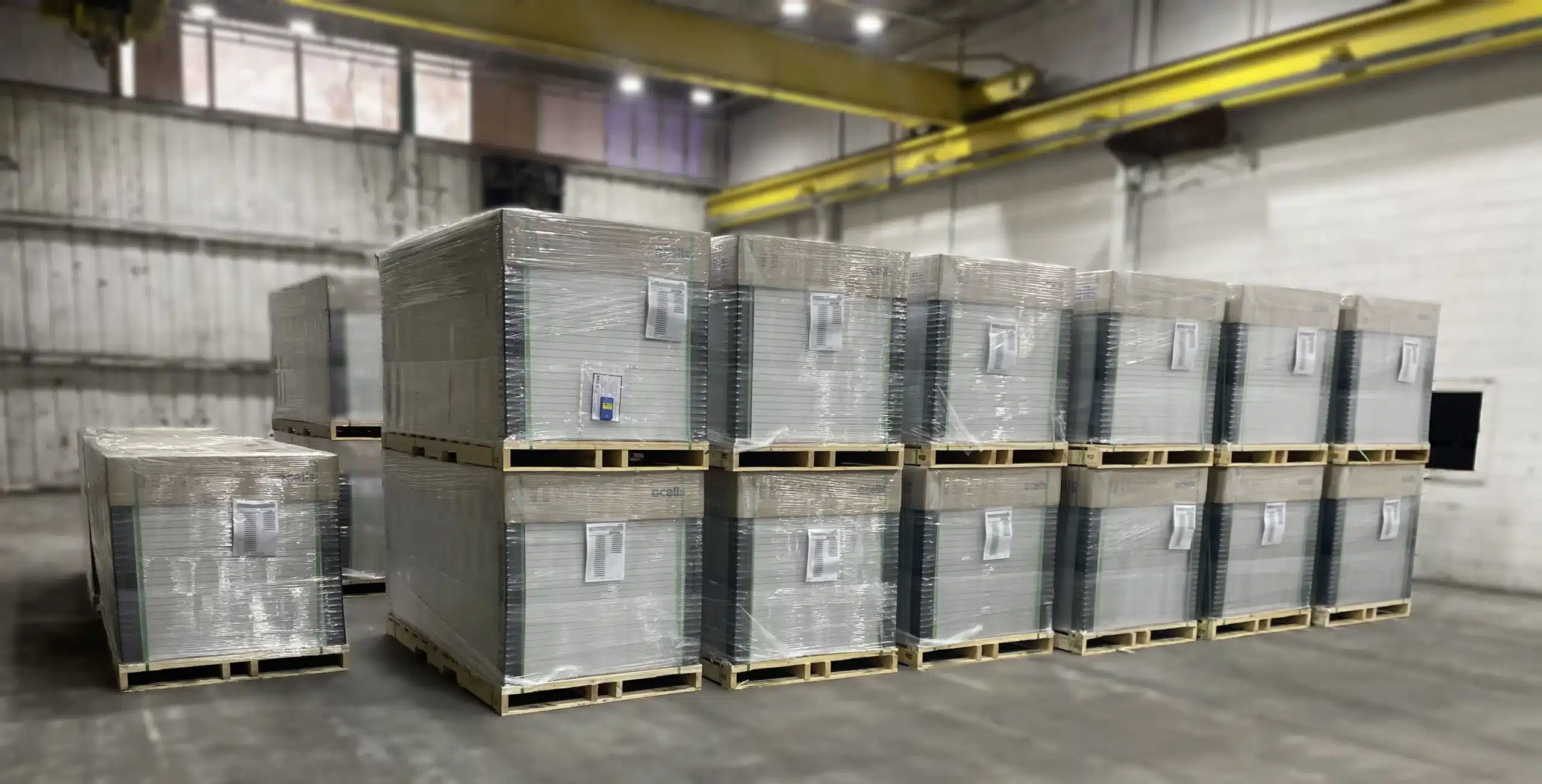
Solar energy is on the rise, but surging demand also poses the challenge of safely storing thousands (or millions) of photovoltaic (PV) modules. Whether it’s a utility-scale project awaiting permits or equipment surplus awaiting deployment, improper long-term storage can lead to costly degradation or outright failure of solar panels.
At T2G Logistics, we understand the unique needs of the industrial and renewable energy storage sectors, especially in and around Vineland, NJ. In this guide we walk through everything you need to know to protect solar modules during long-term storage — from climate control and handling techniques to common causes of avoidable damage.
Why solar modules require special care in storage
Solar modules are more fragile than they look. While designed to withstand years of outdoor exposure, they aren’t immune to:
- Microcracks from improper stacking or movement
- Delamination from moisture or temperature swings
- Junction box detachment due to poor support
- Backsheet discoloration or corrosion
- Frame warping under uneven load pressure
Studies show that even well-manufactured modules can lose performance if stored improperly. According to research published in the IEEE Journal of Photovoltaics, microcracks can reduce power output by up to 2% annually — a compounding loss across years of storage and field use.
Common mistakes in solar module storage
Before we dive into best practices, here are some of the most common (and costly) storage mistakes we’ve seen working with industrial clients across New Jersey and the Mid-Atlantic:
1. Storing panels directly on the floor
Unracked panels are vulnerable to moisture seepage, pallet shifting, and handling accidents.
2. Overstacking or uneven loading
Stacks taller than recommended can put uneven weight on modules, leading to invisible but performance-killing microcracks.
3. Exposure to temperature extremes
Fluctuating heat and humidity levels can cause lamination defects, especially in non-climate-controlled spaces.
4. Unsealed packaging
Once original crates are opened, leaving panels exposed to air, dust, or humidity accelerates aging.
5. Neglecting inventory rotation
Modules stored too long without inspection may fall out of warranty or degrade before they’re ever used.
8 proven strategies to prevent solar panel damage in storage
1. Use purpose-built solar racking or original manufacturer crates
Solar modules should be stored vertically on purpose-built A-frame racks or securely in the manufacturer’s original packaging. When stored flat or stacked, pressure points can cause cracking.
- Best practice: No more than 25–30 modules per vertical stack
- Bonus: Use foam inserts or anti-static separators between panels
2. Keep inventory elevated and sheltered from ground moisture
Always store solar panels off the ground, either on industrial racking or sealed pallets with forklift clearance. Even minor flooding or condensation buildup can compromise backsheet integrity. Our Vineland warehouses are elevated, with industrial-grade epoxy floors and integrated drainage systems to reduce the risk of water ingress.
3. Maintain consistent, controlled temperatures
Temperature fluctuations cause stress in the materials within the panels and junction boxes. Prolonged exposure to heat accelerates encapsulant discoloration and potential delamination. We maintain climate-controlled zones for sensitive solar inventory — especially helpful during Vineland’s humid summers and icy winters.
4. Monitor and control relative humidity
PV modules perform best when kept below 60% relative humidity. Excess moisture can lead to corrosion at electrical contacts or even “snail trails” — visible signs of chemical degradation. Our warehouses use dehumidifiers and smart air-monitoring systems to maintain optimal humidity levels year-round.
5. Label and rotate inventory with clear lot tracking
Storing solar panels for 12–36 months? Clear labeling and inventory control are key. You don’t want to deploy older stock after newer batches. T2G provides lot-level tracking, so panels can be deployed in the correct order — reducing warranty risk and keeping fleet performance predictable.
6. Protect from rodents and pests
Rodents can chew through junction boxes and wiring. Warehouses should be regularly inspected and professionally treated. All T2G facilities are on scheduled pest-control rotations, with sealing protocols at loading bays to prevent intrusion.
7. Avoid frequent movement or rehandling
Every time a pallet is moved or re-racked, the risk of jostling and damage increases. For long-term storage, modules should be placed with minimal rehandling in mind. We design custom storage plans to keep your panels stationary until you’re ready to ship.
8. Use trained staff for handling and inspections
Solar panels should be handled with proper lifting equipment and trained personnel. Gloves, support points, and orientation awareness all matter. Our warehouse staff is trained in solar-specific handling procedures, and we maintain inspection logs to catch potential damage early.
What makes T2G ideal for renewable energy storage
We’ve developed specific processes for industrial and renewable storage clients — solar developers, EPCs, and utility partners. Beyond a basic warehouse:
- 100,000 sq ft of warehousing, all within 2 hours of NYC, Philadelphia, Baltimore, and Boston
- Operator-run operations — direct accountability, no broker hand-offs
- Experience with PV modules, inverters, hydrogen fuel cells, and more
- Flexible storage terms, from short-term overflow to multi-year laydowns
- Loading docks, forklift handling, and outbound coordination
- Real-time inventory visibility through our 3PL tech stack
Because we’re based in Vineland, NJ, you get regional access with low congestion and quick turnaround — ideal for time-sensitive projects.
When to consider long-term storage for solar equipment
You might not always want to store solar modules long-term, but sometimes it’s the best (or only) option:
- Waiting on interconnection approvals
- Delays in permitting or site readiness
- Equipment procured in bulk to hedge against supply chain volatility
- Resale or secondary-market redistribution
In any of these cases, choosing a renewables-friendly logistics partner is essential to protecting your investment.
Key takeaways
- Solar panels are delicate — even when built for outdoor use, they’re especially vulnerable when improperly stored
- Humidity, temperature, improper stacking, and frequent rehandling are the biggest causes of long-term storage damage
- Working with a specialized provider gives you peace of mind through climate control, trained staff, and smart racking
- Proper labeling, pest prevention, and rotation protocols protect not only the modules but also your warranty and project timelines
Ready to store smarter?
Whether you’re storing modules for a few months or several years, T2G Logistics provides a secure, industrial-grade environment backed by hands-on expertise. Based in Vineland, NJ and serving the Northeast Corridor — trusted by infrastructure and renewable energy clients alike. Get in touch and we’ll create a custom storage plan for your project.