Seasonal StorageConstructionEnergy LogisticsWarehouse PlanningVineland NJ
Seasonal Storage Planning Tips for Construction and Energy Companies
Discover seasonal storage planning tips for construction and energy companies to protect materials, improve access, and stay organized.
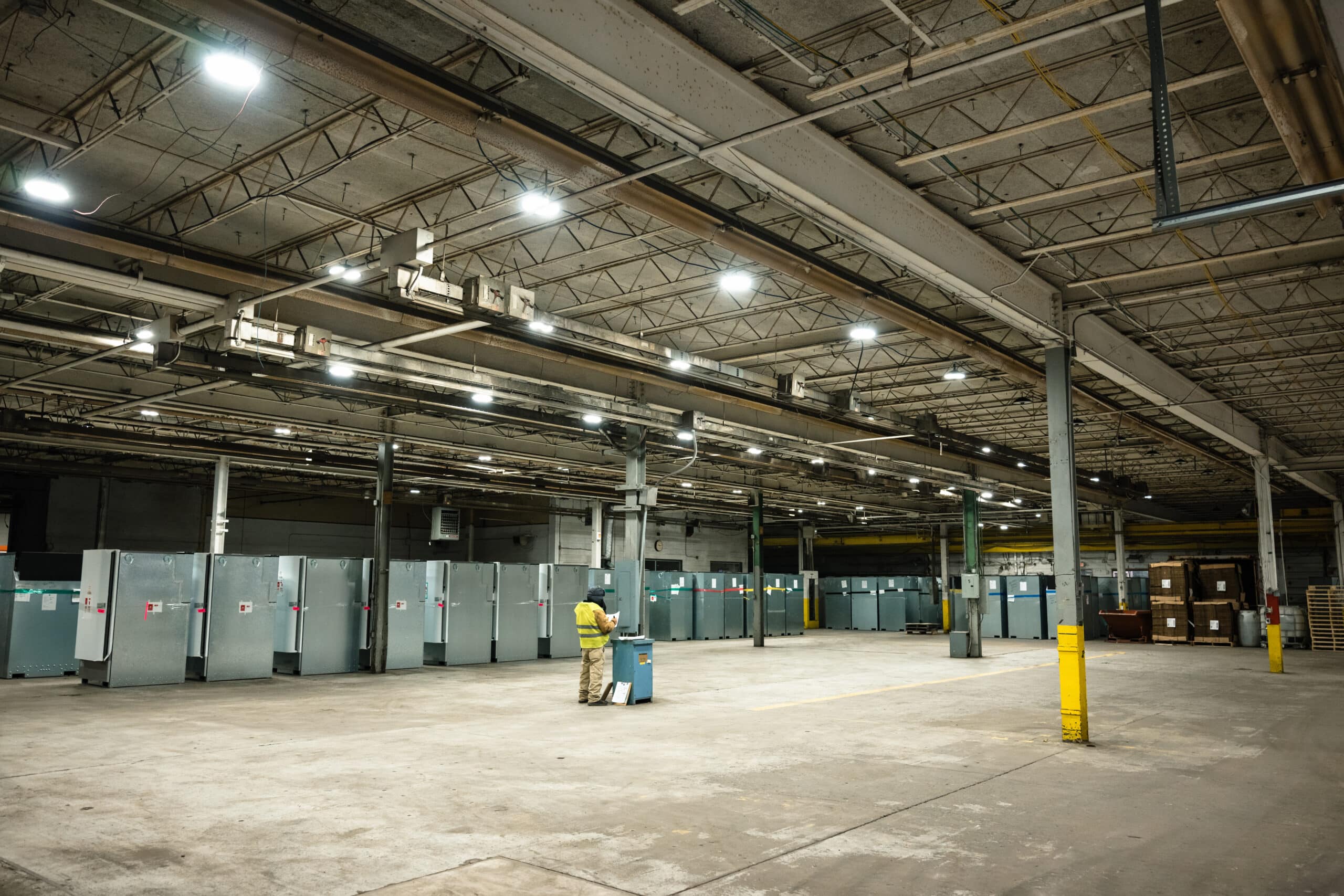
Seasonality plays a major role in construction and energy operations. From harsh winters to peak summer build-outs, changing weather patterns and shifting project timelines can strain supply chains, equipment staging, and material storage. Companies that plan ahead avoid delays, protect high-value assets, and maintain operational continuity.
For businesses operating in and around Vineland, NJ, the Mid-Atlantic climate brings cold winters, humid summers, and storm risks that demand thoughtful storage strategies. Whether you’re staging infrastructure materials, housing renewable energy components, or storing bulky industrial equipment, seasonal planning matters.
As a full-service, operator-run warehousing and 3PL provider headquartered in Vineland, T2G Logistics supports construction and energy companies with secure industrial storage solutions designed for complex, high-value inventory. In this guide we break down practical seasonal storage planning tips to help your operations stay efficient year-round.
Why seasonal storage planning matters
Construction and energy projects are rarely static. They shift with permitting cycles, workforce availability, supply chain fluctuations, and weather.
The U.S. Bureau of Labor Statistics consistently shows seasonal swings in construction employment and output, particularly in northern states where winter weather can slow job site activity. At the same time, renewable energy projects — especially solar installations — often accelerate during warmer months, creating surges in inbound materials.
Without a storage plan that adapts to these cycles, companies face:
- Inventory congestion
- Damaged materials due to weather exposure
- Project delays
- Increased handling costs
- Limited site space during peak phases
Seasonal storage planning isn’t just about finding space. It’s about protecting assets, controlling risk, and maintaining flexibility.
1. Understand your seasonal demand curve
Before securing warehouse space, map out your annual operational cycle.
Ask:
- When do inbound materials peak?
- When do projects typically pause or slow down?
- When is staging space most required?
- Which materials are sensitive to temperature or humidity?
For construction firms, winter may mean temporary project slowdowns but increased material staging for spring launches. For energy companies — especially solar and hydrogen infrastructure providers — material flow may surge in warmer months when installation is easier.
Tracking historical data over 2–3 years reveals patterns that inform smarter storage contracts and allocation planning.
2. Account for climate risks in South Jersey
Vineland and the surrounding region experience:
- Winter freezing conditions
- Summer humidity
- Occasional heavy storms and flooding risks
According to NOAA, the Northeast has seen increasing precipitation intensity over the past decades. For industrial inventory, that means weather resilience matters more than ever.
Protecting temperature-sensitive inventory
Renewable energy components such as PV/solar modules, hydrogen fuel cells, and electrical infrastructure components may require controlled handling and protected storage environments.
Solar modules, for example, are durable but can be affected by prolonged exposure to moisture during improper storage. Industry guidance from the Solar Energy Industries Association (SEIA) recommends storing modules in dry, secure environments before installation to prevent packaging degradation and handling damage.
Seasonal storage planning should include:
- Dry, enclosed warehousing
- Elevated pallet storage where appropriate
- Structured racking systems
- Proper loading-dock management during storms
3. Use off-site warehousing to reduce job site congestion
Job sites are rarely ideal long-term storage locations. During peak seasons, storing bulk materials directly on-site can:
- Increase damage risk
- Limit workspace
- Slow crews down
- Create safety concerns
OSHA guidelines emphasize maintaining clear and organized work areas to reduce accidents. Cluttered material staging areas increase trip hazards and handling risks.
Off-site warehousing near project zones provides a buffer. For companies operating across New Jersey, Pennsylvania, New York, and the broader Northeast corridor, a strategically located facility in Vineland offers rapid access to major cities like Philadelphia, New York, Boston, and Baltimore — without the congestion of urban storage sites.
This enables:
- Scheduled deliveries aligned with build phases
- Reduced site footprint
- Better inventory visibility
- Controlled material flow
4. Plan for peak renewable energy installations
Renewable energy projects are often seasonal. Solar installations, in particular, ramp up in late spring and summer due to longer daylight hours and more predictable weather conditions.
The U.S. Energy Information Administration (EIA) reports steady annual growth in solar capacity installations, resulting in higher-volume movements of panels and associated infrastructure components during peak seasons.
That surge requires:
- Scalable warehouse space
- Secure staging for large palletized shipments
- Equipment capable of handling oversized or heavy materials
- Clear inventory tracking systems
Seasonal storage planning should include a discussion about short-term overflow capacity, dedicated staging zones for project-based shipments, and coordination between the warehouse and project management teams.
5. Prepare for winter project pauses
Winter in New Jersey can bring freezing temperatures and weather disruptions that slow construction timelines. Materials that would normally flow directly to job sites may require temporary storage.
Planning ahead helps you avoid emergency storage decisions, higher short-term costs, and poor inventory tracking.
Instead, winter storage can be used strategically:
- Pre-stage materials for early spring launches
- Conduct quality inspections
- Reorganize and consolidate inventory
- Perform inventory audits
6. Prioritize inventory visibility and tracking
Seasonal fluctuations increase complexity. More materials moving in and out means greater opportunity for inventory misplacement or miscounts.
Best practices include:
- Barcode or RFID tracking
- Clear SKU classification
- Dedicated project labeling
- Scheduled cycle counts
In energy and infrastructure projects — where components can be high-value and specialized — visibility isn’t optional. It’s a risk management strategy.
7. Evaluate bulk and oversized storage needs
Construction and energy companies often deal with large steel components, crated modules, skid-mounted equipment, and palletized electrical systems.
Questions to ask:
- Does the facility have dock-high access?
- Is there space for oversized materials?
- Are forklifts and handling equipment suited for heavy loads?
- Is there room for phased staging?
Industrial-focused warehousing is different from general storage. Facilities experienced in bulky commodities understand clearances, floor load capacity, and efficient layout design.
8. Build seasonal flexibility into your contracts
One of the most overlooked elements of seasonal storage planning is contract structure. Some companies lock into fixed space commitments that don’t reflect real operational cycles.
Instead, consider:
- Scalable square-footage agreements
- Short-term overflow space during peak months
- Hybrid storage solutions that expand and contract with demand
A collaborative storage partner will discuss your annual demand curve and align capacity planning accordingly.
9. Strengthen security during off-season storage
When projects slow down, materials may sit in storage longer. That increases the need for secured access control, structured warehouse processes, and routine inspection protocols.
High-value renewable energy components and infrastructure materials require consistent oversight. Industrial storage specialists prioritize structured workflows and asset protection year-round, not just during active project cycles.
10. Think beyond “storage” — think operational continuity
Seasonal storage planning isn’t just about finding warehouse space. It’s about:
- Protecting capital investments
- Maintaining project timelines
- Supporting workforce efficiency
- Reducing weather-related risks
- Preserving material quality
In regions like Vineland, NJ — where access to major East Coast markets matters — proximity and operational readiness can make a measurable difference.
A seasonal storage checklist
To simplify your planning, here’s a practical checklist:
- Review 2–3 years of seasonal material flow data
- Identify temperature- or moisture-sensitive inventory
- Evaluate winter staging needs
- Plan for summer installation surges
- Assess bulk and oversized storage requirements
- Confirm inventory tracking systems
- Build scalable storage into agreements
- Align warehouse location with project geography
Proactive planning reduces last-minute decisions and operational strain.
Why industrial storage experience matters
Not all warehousing providers specialize in industrial and infrastructure storage. Energy components, infrastructure materials, and bulky commodities require thoughtful handling, clear staging processes, secure environments, and reliable access to major markets.
T2G Logistics is a full-service, operator-run warehousing and 3PL company headquartered in Vineland, NJ — three facilities totaling approximately 100,000 square feet, with rapid access to New York, Boston, Philadelphia, and Baltimore. From PV/solar modules to hydrogen fuel cells and bulky industrial materials, T2G has experience handling complex, high-value inventory with care.
If you’re planning ahead for your next busy season or preparing for winter staging, get in touch and we’ll talk through how strategic warehousing can support your operations.
Seasonal cycles are predictable. The right storage strategy ensures they don’t become disruptive.