Indoor StorageOutdoor StorageIndustrial CommoditiesWarehouse StrategySupply Chain
Comparing Indoor vs. Outdoor Storage for Large-Scale Commodities
Discover the ideal solution for your needs in our expert comparison of indoor vs. outdoor storage for large-scale commodities.
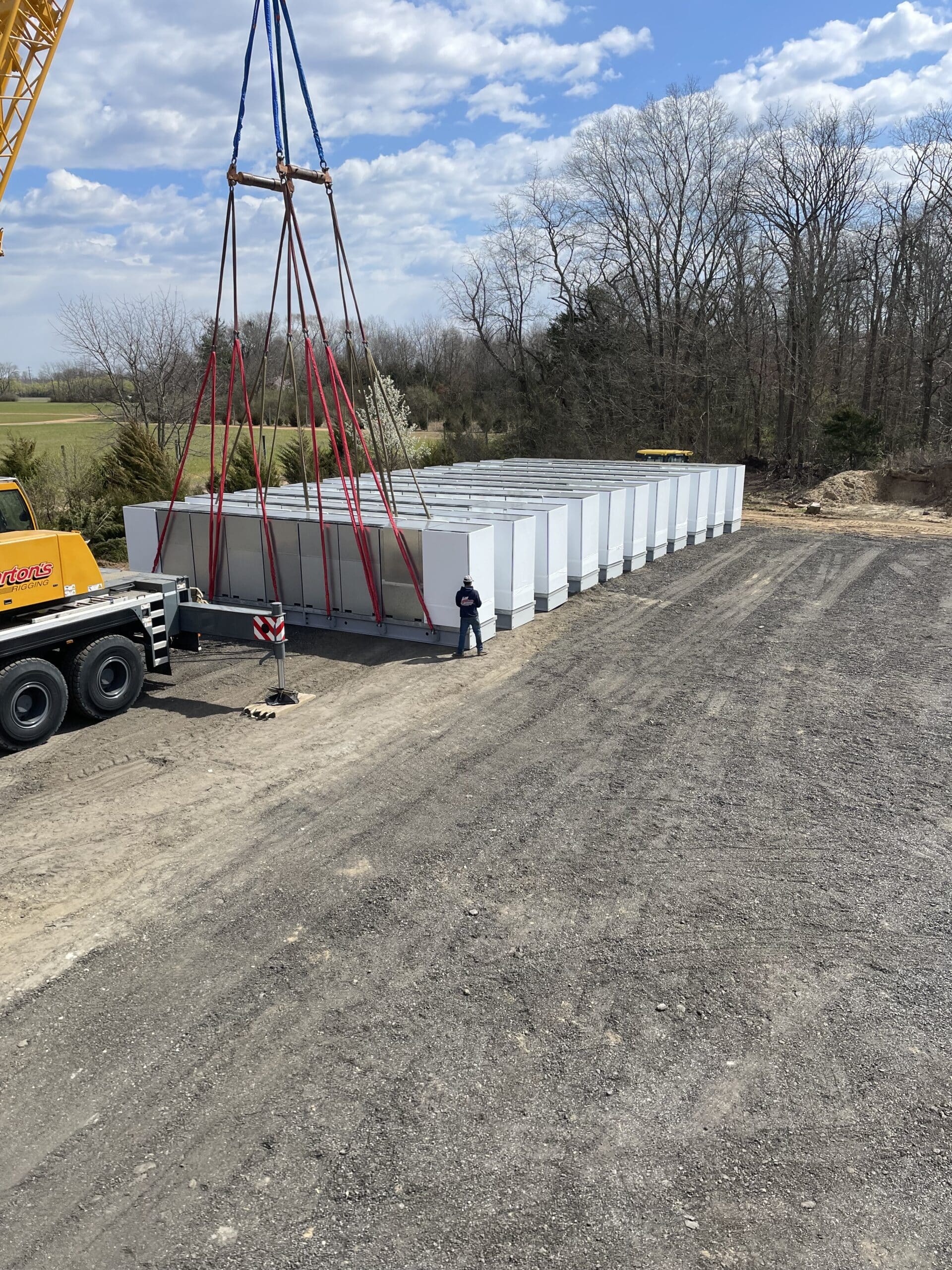
When your business relies on secure, scalable, and accessible storage for large-scale commodities — renewable energy equipment, infrastructure materials, general industrial goods — the choice between indoor vs. outdoor storage isn’t just about space. It’s about protection, cost-efficiency, logistics, and even regulatory compliance.
At T2G Logistics, we help companies make that decision every day, offering both indoor and outdoor storage solutions in and around Vineland, NJ — with easy access to New York, Boston, Philadelphia, and Baltimore. In this article we walk through a comprehensive comparison to help you determine what’s right for your business.
Understanding the basics
Indoor storage typically refers to warehouse-based storage, where goods are housed in a climate-controlled or enclosed space. It offers maximum protection from the elements, controlled access, and often better inventory management systems.
Outdoor storage involves placing items in designated outdoor yards. These can range from simple paved lots to highly organized fenced storage areas with 24/7 surveillance and accessibility.
Both options are standard in 3PL warehousing and industrial storage environments, but choosing the right one requires evaluating your inventory type, project timelines, transportation needs, and budget.
Types of large-scale commodities often stored
We specialize in industrial and bulky commodity storage, including:
- Renewable energy components (solar modules, hydrogen fuel cells)
- Construction infrastructure (steel beams, concrete forms, pipes)
- Bulk packaging (pallets, crates, drums)
- Oversized equipment (machinery, HVAC systems)
- Import/export staging (containers, crates, pallets)
Each requires different handling protocols, protection levels, and access needs — making your storage choice even more critical.
Indoor storage: benefits, limitations, and use cases
Benefits
- Weather protection — inventory shielded from rain, snow, wind, and sun (critical for weather-sensitive items)
- Climate control — optional temperature and humidity regulation prevents warping, rusting, or degradation
- Enhanced security — locked doors, surveillance cameras, and controlled entry keep high-value inventory safe
- Inventory management — easier to implement advanced WMS, barcode scanning, and FIFO/LIFO systems
- Regulatory compliance — easier to meet industry-specific requirements for clean, dry, secure environments
Limitations
- Higher cost per square foot — building maintenance, utilities, and staffing
- Size constraints — limited by ceiling height, door dimensions, and warehouse layout
- Access restrictions — more time-consuming for loading/unloading large or awkward items
Best for
- Electronics
- Pharmaceuticals
- Packaged food or temperature-sensitive goods
- Items prone to rust, corrosion, or UV degradation
- Products with high theft risk
Outdoor storage: benefits, limitations, and use cases
Benefits
- Lower cost — typically more affordable than indoor storage, especially for long-term or large-volume needs
- Easier access — heavy-duty forklifts, cranes, and trucks can maneuver freely
- Flexible layouts — ideal for oversized or irregularly shaped items
- Scalable — easy to expand the space as project needs grow
Limitations
- Exposure to elements — items must be durable or packaged for weather resistance
- Security concerns — outdoor spaces can be more vulnerable to theft or damage without proper fencing, cameras, and lighting
- Limited regulations — may not meet specific industry standards for cleanliness or protection
Best for
- Raw materials (lumber, stone, steel)
- Construction machinery
- Palletized goods with durable packaging
- Containers and trailers
- Seasonal or temporary equipment staging
Cost comparison
| Storage type | Typical cost range (Vineland, NJ) | Best for | Security level | Weather protection |
|---|---|---|---|---|
| Indoor | $7–$15 per sq ft per month | High-value, sensitive, or regulated goods | High | Full |
| Outdoor | $1–$4 per sq ft per month | Durable, oversized, or temporary items | Medium (with fencing) | Minimal |
Prices are illustrative and vary based on availability, services, and duration.
Key factors to consider before deciding
Durability of your goods
Can your items withstand rain, heat, or cold? If not, indoor is safer.
Frequency of access
Outdoor storage allows easier drive-in/out access for large equipment or construction goods.
Security requirements
Storing high-value items? Indoor storage with 24/7 surveillance and restricted access may be a must.
Budget
Outdoor storage is often a more budget-friendly option, especially for short-term or flexible needs.
Regulatory requirements
Industries such as healthcare, food, or clean tech may have strict indoor storage requirements.
Common industry scenarios
Solar module distributor
A renewable energy firm receives containers of PV modules every quarter. Due to sensitivity to moisture and temperature, indoor storage with climate control is essential — even if slightly more expensive. Inventory turnover is fast and closely tracked.
Ideal storage: Indoor warehouse with WMS
Infrastructure contractor
A civil engineering company needs to store steel rebar, concrete forms, and oversized materials for an ongoing highway project in South Jersey. Goods are weather-resistant and need constant access.
Ideal storage: Outdoor fenced yard near job site
Logistics company staging imports
A 3PL partner requires temporary storage space to hold shipping containers from the Port of Philadelphia before shipping them to clients throughout the Northeast. They require maneuverability and staging space for cross-docking.
Ideal storage: Outdoor container yard with forklift access
How T2G can help
With over 100,000 square feet of industrial warehousing and expansive outdoor yard space, we offer both indoor and outdoor storage options tailored to your project’s size, complexity, and budget. Our facilities are located in Vineland, NJ — just a short drive from:
- Port of Philadelphia
- I-95 corridor
- Greater New York City and Baltimore regions
Services we provide
- Short- and long-term storage (indoor & outdoor)
- Cross-docking & staging
- Container & trailer handling
- Inventory management systems
- Security monitoring
- Heavy equipment access
We’ve worked with companies across renewable energy, infrastructure, manufacturing, and logistics — helping them find scalable storage solutions that reduce costs and improve supply chain efficiency.
Storage decisions that scale with you
Choosing between indoor and outdoor storage doesn’t have to be complicated, but it should be intentional. Start by evaluating your inventory, budget, and access needs. Then partner with a logistics provider who understands the nuances of industrial storage in your region.
We specialize in flexible, secure, efficient storage solutions for bulky, complex, and large-scale commodities. Whether you need to warehouse fragile equipment indoors or park dozens of containers in a secure outdoor yard, we can help.