Cross-DockingEquipment DeliverySupply ChainIndustrial LogisticsProject Schedule
How Cross-Docking Can Reduce Delays in Equipment Delivery
Discover how cross-docking can reduce delays in equipment delivery by streamlining logistics and improving supply chain efficiency.
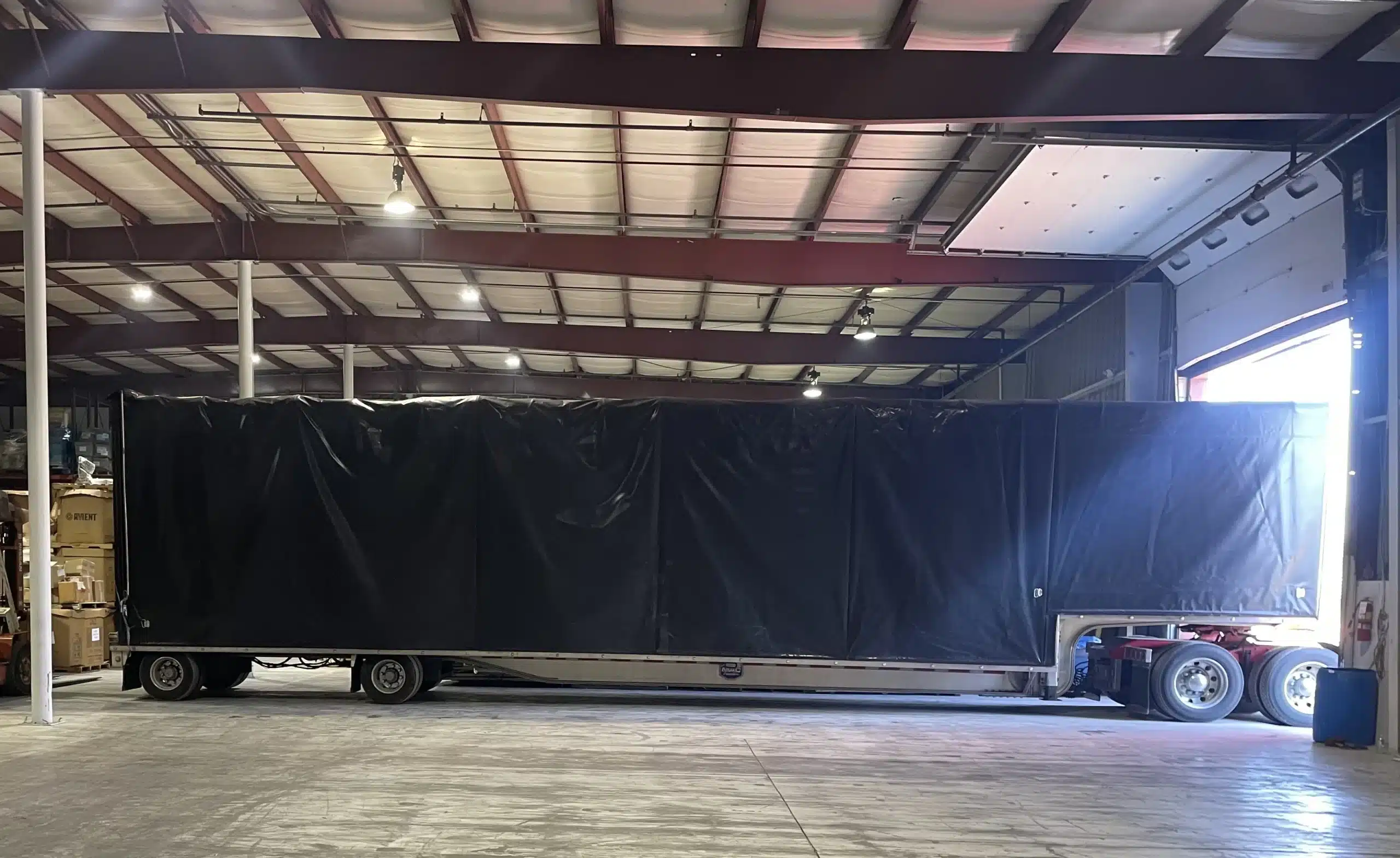
In today’s high-demand industrial landscape, equipment delays can have a ripple effect that disrupts operations, inflates costs, and erodes customer trust. For businesses relying on timely deliveries — especially those dealing with bulky or sensitive industrial equipment — every day counts.
This is where cross-docking offers a strategic advantage. We’ve seen firsthand how this logistics method can drastically cut delivery delays, reduce handling times, and optimize supply chains — particularly for businesses in and around Vineland, NJ. In this guide we explain exactly how cross-docking works, how it differs from traditional warehousing, and why it’s a powerful solution for companies handling complex equipment logistics.
What is cross-docking?
Cross-docking is a logistics practice where inbound shipments are directly transferred to outbound transportation with little or no storage time in between.
Instead of unloading goods into a warehouse for long-term storage (as in traditional warehousing), products are sorted and quickly reloaded onto trucks headed to their final destination — often within hours.
There are two main types:
Pre-distribution cross-docking
Products are pre-assigned to specific end destinations.
Post-distribution cross-docking
Products are sorted and assigned after arrival based on real-time demand.
Why equipment delivery delays happen
Before diving deeper into cross-docking solutions, the most common reasons businesses face delays:
Storage bottlenecks
Equipment is stuck in warehouses awaiting consolidation or shipment.
Manual sorting errors
Mislabeling or misrouting during fulfillment processes.
Excessive handling
The more times equipment is loaded, unloaded, or moved, the greater the risk of damage or delay.
Scheduling mismatches
Inbound shipments arrive but the outbound truck isn’t ready — or vice versa.
These issues can compound quickly, especially with bulky, high-value items like renewable energy infrastructure or heavy industrial components.
The benefits of cross-docking for equipment delivery
1. Faster transit times
Cross-docking significantly reduces or eliminates storage time. Instead of sitting in a warehouse, your products are in motion — headed to their next stop almost immediately. This is especially useful for time-sensitive or project-based deliveries where equipment must arrive at a specific site on a set schedule.
Our Vineland-based facilities are optimized for fast throughput, enabling efficient transfers between inbound and outbound trucks.
2. Minimized handling
Every time equipment is handled, the risk of damage increases. With cross-docking, goods are typically transferred just once — from the incoming trailer to the outbound vehicle. This reduces the risk of:
- Scratches or dents on heavy equipment
- Component misplacement
- Delays due to mishandling or repacking
Our team is trained to manage industrial-grade items like solar panels, hydrogen fuel cells, and significant infrastructure components with care and speed.
3. Better inventory management
Cross-docking helps streamline inventory by reducing the need to store excess products. For businesses, this means:
- Less overhead tied up in warehousing
- Better alignment between supply and demand
- More agility to respond to project timelines
It also means less shrinkage — the industry term for lost or damaged inventory, which is a common concern when storing high-value items for extended periods.
4. Cost efficiency
While there are costs associated with setting up a cross-docking operation, the long-term savings are substantial:
- Fewer warehouse storage fees
- Reduced labor hours spent on picking, packing, and storing
- Lower shipping costs from consolidated loads
Our operator-run model means we control both infrastructure and process — so clients see better margins and faster ROI.
5. Sustainability gains
Cross-docking can also contribute to greener supply chains by:
- Reducing idle time in warehouses (which require energy to operate)
- Consolidating shipments to reduce emissions
- Minimizing packaging waste due to less re-handling
This is especially important for companies working in the renewable energy sector — where efficient logistics go hand-in-hand with sustainability goals.
T2G Logistics: cross-docking services in Vineland, NJ
Located strategically in Vineland, we offer over 100,000 square feet of operator-run warehousing with rapid access to:
- Philadelphia (45 mins)
- New York City (under 2 hours)
- Baltimore (2.5 hours)
- Boston (4.5 hours)
This makes our facilities ideal for businesses operating in the Northeast Corridor that need fast, reliable logistics for complex equipment.
We’ve supported cross-docking projects for:
- Renewable energy (PV panels, hydrogen storage modules)
- Infrastructure components (light poles, pipe assemblies, water tanks)
- Large commodities (palletized, crated, or oversized shipments)
Our facilities include ground-level and dock-height access, heavy-duty forklifts and lifting equipment, ample staging space for temporary holding, and inventory tracking with digital documentation.
When is cross-docking the right solution?
Cross-docking isn’t a one-size-fits-all approach, but it’s particularly effective when:
- You’re delivering to multiple job sites or distribution centers
- Your products are already packaged and ready to ship
- You need to consolidate LTL shipments into full truckloads
- You want to reduce delivery lead times without long-term storage
It’s also a great option if your logistics involve import containers arriving at East Coast ports (Port of NY/NJ, Port of Philadelphia) that need fast inland redirection. We regularly help clients transload containers into outbound trucks — minimizing wait times and drayage fees.
Real-world scenario: how cross-docking saves time
Let’s say you’re coordinating delivery of solar racking systems from multiple vendors, all headed to a utility-scale solar project outside Philadelphia.
Traditional approach:
- Each vendor sends product to your warehouse
- Goods are unloaded, sorted, stored, and repacked
- Items are finally consolidated and shipped to the site
Time from arrival to delivery: 5–10 days
With cross-docking:
- All shipments arrive at T2G within 24 hours
- Products are transferred directly onto a pre-scheduled flatbed
- Delivery to the site is same-day or next-day
Time from arrival to delivery: 1–2 days
That’s up to 80% faster — and when you’re managing subcontractors, timelines, and penalties for delays, that speed can save serious money.
FAQs about cross-docking
Is cross-docking only for big companies?
Not at all. Small and mid-size businesses can benefit just as much, especially those running tight operations or servicing local job sites.
Do I need to use T2G’s entire logistics service to access cross-docking?
Nope. Many clients use us just for cross-docking. Whether you’re handling your own transport or need full 3PL support, we’re flexible.
Can I store equipment short-term if my site isn’t ready?
Yes. While cross-docking is focused on fast transfers, we also offer short-term holding and staging areas when needed — perfect for coordinating around job site schedules or last-minute changes.
Local focus: why Vineland, NJ is a logistics hub
Vineland offers a sweet spot for industrial storage and logistics operations:
- Proximity to major highways like I-295 and the NJ Turnpike
- Near the Port of Philadelphia and the Port of NY/NJ
- Cost-effective labor and real estate vs. metro areas
- Accessible to New Jersey’s booming renewable energy market
Businesses operating in the Mid-Atlantic region will find that Vineland gives them both reach and affordability — a rare combo in the logistics world.
Cross-docking + industrial expertise = speed without compromise
When dealing with sensitive, high-value, or oversized industrial equipment, you need more than a warehouse — you need a logistics partner who understands your products and your timelines. We combine cross-docking speed with industrial expertise, so you never have to sacrifice accuracy for efficiency.
Get in touch and let’s talk about how cross-docking can work for your business.