Industrial StorageMaterial HandlingWarehouse ManagementRenewable EnergyVineland NJ
How to Reduce Warehouse Handling Risks for Fragile Industrial Products
Discover practical ways to reduce warehouse handling risks for fragile industrial products with expert storage solutions from T2G Logistics.
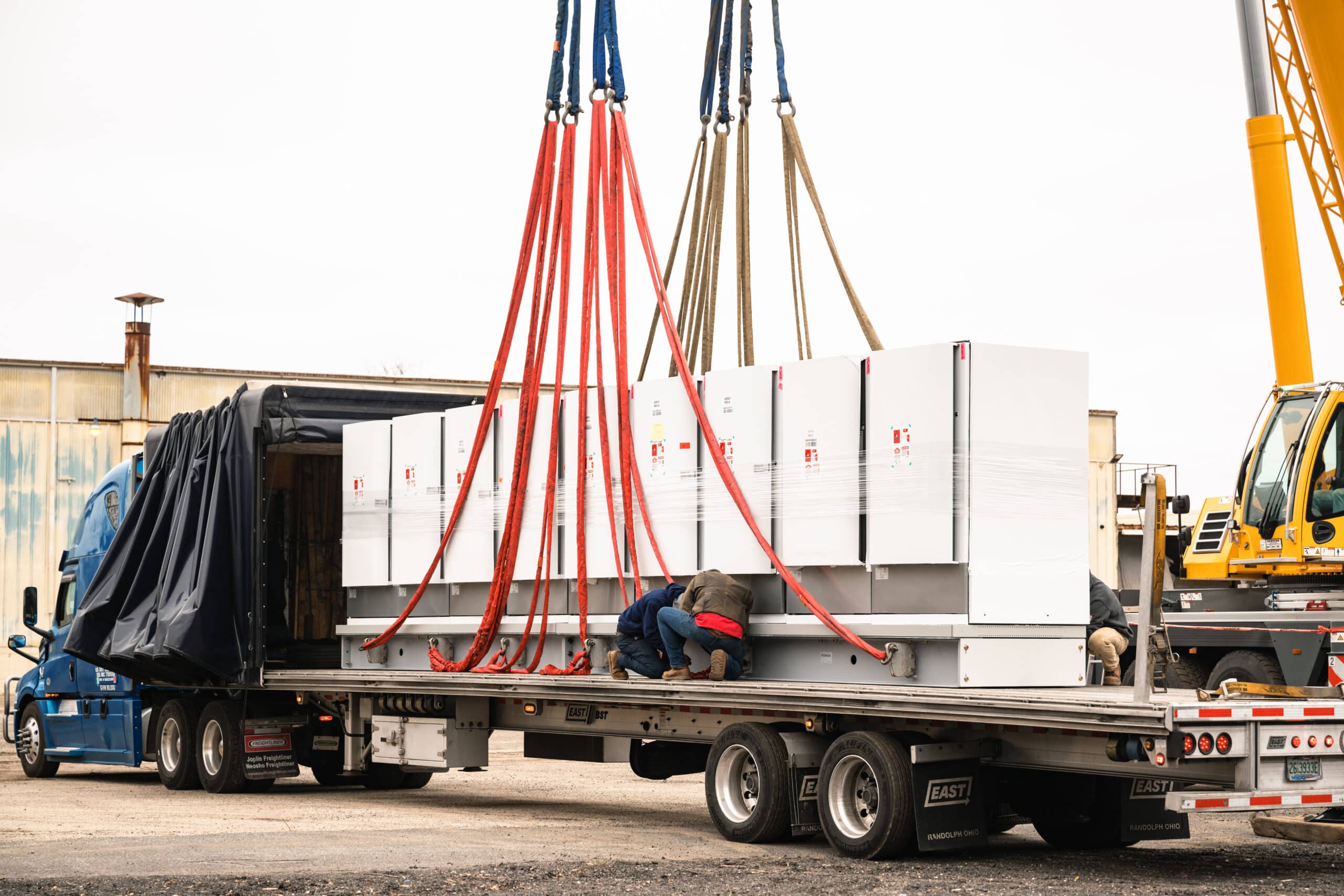
Industrial products are often built to perform in demanding environments, but that doesn’t always mean they’re easy to store or handle. Many products used in renewable energy, infrastructure, manufacturing, and industrial construction contain components that can be damaged long before they reach the job site. Glass surfaces, precision electronics, sensitive coatings, engineered composites, and specialized packaging all require careful handling throughout storage.
For businesses in and around Vineland, NJ, minimizing warehouse handling risks is about more than preventing damage. It helps avoid project delays, replacement costs, insurance claims, and customer dissatisfaction.
At T2G Logistics, industrial storage is a core specialty. With nearly 100,000 square feet of warehouse space strategically located near New York, Philadelphia, Baltimore, and Boston, T2G Logistics helps businesses safely store fragile industrial products while maintaining efficient inventory management and dependable warehouse operations.
Why fragile industrial products require specialized warehouse handling
Many industrial products are large, heavy, or awkwardly shaped. Although these items may appear durable, they often contain components highly susceptible to damage during routine warehouse activities.
Examples include:
- Solar photovoltaic (PV) modules
- Hydrogen fuel cells
- Electrical switchgear
- Industrial glass components
- Precision machinery
- Laboratory equipment
- Infrastructure materials
- Industrial control panels
- Composite building materials
Unlike standard consumer goods, these products may have very specific manufacturer handling requirements. Improper lifting, stacking, vibration, or environmental exposure can lead to damage that isn’t immediately visible but may reduce long-term performance.
Guidance from the National Institute of Standards and Technology (NIST) shows that proper packaging, handling, and storage practices play a significant role in maintaining product quality throughout the supply chain, especially for sensitive manufactured goods.
Common warehouse handling risks
Understanding where damage typically occurs is the first step toward preventing it.
Improper forklift handling
Forklifts remain one of the most common sources of warehouse damage.
Potential issues include:
- Incorrect fork spacing
- Uneven lifting
- Impact during transport
- Excessive speed
- Contact with neighboring inventory
Even small impacts can crack glass, bend frames, or compromise sensitive internal components.
Incorrect stacking
Many industrial products have strict stacking limitations.
Problems often include:
- Excessive weight on lower pallets
- Uneven load distribution
- Product shifting
- Packaging collapse
Certain renewable energy products, such as solar modules, require manufacturer-approved stacking heights to prevent frame distortion.
Manual handling errors
Employees moving products by hand may unintentionally create risks through:
- Improper lifting techniques
- Dragging pallets
- Dropping packaged components
- Using incorrect lifting equipment
Employee training significantly reduces these incidents.
According to the Occupational Safety and Health Administration (OSHA), standardized material-handling procedures help reduce workplace injuries while also reducing product damage.
Packaging damage during movement
Even if the product itself isn’t directly impacted, damaged packaging increases future risk.
Compromised packaging can result in:
- Moisture intrusion
- Dust contamination
- Reduced structural support
- Hidden product movement
Regular inspection of stored inventory helps identify these issues early.
Environmental factors that affect fragile products
Warehouse handling isn’t limited to physical movement. Storage conditions also play an important role.
Temperature fluctuations
Some industrial products include adhesives, batteries, polymers, or electronic components that can be affected by extreme temperatures.
Stable warehouse conditions help preserve product integrity.
Humidity control
Moisture can damage:
- Electrical equipment
- Metal components
- Packaging materials
- Paper documentation
- Composite products
Humidity management is especially important for long-term industrial storage.
Dust and airborne contaminants
Dust accumulation can affect precision equipment and electrical components while increasing cleaning requirements before shipment.
Proper housekeeping and warehouse maintenance reduce these risks.
Best practices for reducing warehouse handling risks
Store products according to manufacturer guidelines
Manufacturers typically provide recommendations covering:
- Stacking limits
- Orientation
- Weight distribution
- Temperature ranges
- Humidity requirements
- Handling instructions
Following these guidelines helps protect warranties while minimizing preventable damage.
Use appropriate material handling equipment
Not every product should be handled using the same equipment.
Depending on the cargo, warehouses may utilize:
- Forklifts with specialized attachments
- Pallet jacks
- Cranes
- Vacuum lifting systems
- Custom lifting frames
Selecting the correct equipment minimizes unnecessary stress on products.
Clearly label fragile inventory
Visible labeling improves awareness among warehouse personnel.
Common labels include:
- Fragile
- Do Not Stack
- This Side Up
- Center of Gravity
- Keep Dry
Clear visual communication reduces accidental mishandling.
Create designated storage areas
Separating fragile inventory from higher-volume products minimizes unnecessary traffic around sensitive materials.
Dedicated storage areas help reduce:
- Forklift congestion
- Accidental impacts
- Inventory confusion
- Cross-contamination
Well-organized warehouse layouts improve both safety and efficiency.
The role of warehouse organization
An organized warehouse isn’t simply easier to navigate; it directly reduces handling risk.
Well-designed layouts minimize unnecessary product movement, a leading cause of accidental damage.
Effective warehouse organization includes:
- Clearly marked aisles
- Defined storage zones
- Logical inventory placement
- Consistent pallet spacing
- Safe traffic flow
The fewer times a product is moved, the lower the risk of damage.
Inventory visibility helps prevent damage
One overlooked cause of product damage is unnecessary handling caused by poor inventory tracking.
When warehouse staff cannot quickly locate products, they may need to move surrounding inventory multiple times.
Accurate inventory management reduces:
- Double handling
- Excessive forklift movement
- Storage errors
- Shipping delays
Efficient warehouse management systems help improve inventory accuracy while minimizing unnecessary product movement.
Employee training makes a significant difference
Technology and equipment are only as effective as the people operating them.
Warehouse teams benefit from regular training on:
- Safe lifting practices
- Equipment operation
- Product-specific handling requirements
- Hazard awareness
- Packaging inspections
- Damage reporting procedures
According to OSHA, ongoing employee training remains one of the most effective ways to reduce both workplace incidents and material handling errors.
Why industrial storage experience matters
Not every warehouse regularly handles fragile industrial products.
Facilities focused primarily on consumer goods may not have experience with:
- Renewable energy equipment
- Oversized industrial materials
- Infrastructure components
- Specialized packaging requirements
Working with an experienced industrial storage provider reduces uncertainty throughout the storage process.
At T2G Logistics, industrial storage has been a primary focus across numerous industries, including renewable energy and infrastructure projects where careful handling is essential.
Renewable energy products require extra attention
As renewable energy projects continue to grow throughout the Northeast, warehouses increasingly store products such as:
- Solar modules
- Battery systems
- Hydrogen fuel cells
- Electrical infrastructure
Many of these products combine heavy materials with delicate surfaces.
Solar panels, for example, contain tempered glass that can withstand environmental conditions but may still be damaged by improper warehouse handling or stacking pressure. (We cover this in more depth in preventing damage to solar modules during long-term storage.)
Careful storage procedures help protect product performance before installation.
Research from the National Renewable Energy Laboratory (NREL) emphasizes that proper handling and storage practices help maintain photovoltaic module reliability throughout the supply chain.
Signs your warehouse may be increasing product risk
Businesses should periodically evaluate whether their storage operations expose products to unnecessary risk.
Warning signs include:
- Frequent damaged packaging
- Rising insurance claims
- Repeated product inspections after storage
- Inventory that must be reworked before shipping
- Crowded warehouse layouts
- Inconsistent handling procedures
- Limited staff training
Addressing these issues early can significantly reduce long-term costs.
Choosing the right warehousing partner
When evaluating warehouse providers, businesses should consider more than available square footage.
Important questions include:
- Does the warehouse regularly handle industrial products?
- Are warehouse employees experienced with fragile inventory?
- Is inventory properly organized?
- Are storage conditions monitored?
- Can the warehouse accommodate specialized handling requirements?
- Is the location convenient for regional distribution?
For businesses serving the Northeast, a strategically located warehouse near major transportation corridors can improve operational flexibility while reducing transit times.
Located in Vineland, New Jersey, T2G Logistics’ facilities give businesses convenient access to major markets, including New York City, Philadelphia, Baltimore, and Boston, making them an ideal location for industrial storage and regional distribution support.
Long-term value of damage prevention
Reducing warehouse handling risks delivers benefits that extend beyond avoiding broken products.
Effective warehouse practices help businesses:
- Reduce replacement costs
- Improve customer satisfaction
- Protect manufacturer warranties
- Maintain project schedules
- Lower insurance claims
- Increase operational efficiency
- Build stronger supplier relationships
For many industrial businesses, preventing just a few damaged shipments each year can generate significant cost savings.
Partner with T2G Logistics for secure industrial storage
Fragile industrial products deserve storage solutions designed around safety, organization, and experience. Whether you’re storing renewable energy equipment, infrastructure materials, precision machinery, or other specialized industrial products, the right warehousing partner can help reduce handling risks while supporting your supply chain goals.
T2G Logistics provides full-service, asset-based warehousing from its Vineland, NJ, facilities, with specialized expertise in industrial storage and strategic access to major Northeast markets. If you’re looking for secure, dependable warehouse solutions that prioritize the protection of your inventory, get in touch to learn how T2G Logistics can support your business.