Renewable EnergyConstruction LogisticsSolar StorageHydrogen Fuel CellsProject Staging
Storage Solutions for Renewable Energy Installations in Construction Zones
Secure, flexible storage solutions for renewable energy installations in construction zones. Ideal for bulky solar, fuel cells, and more.
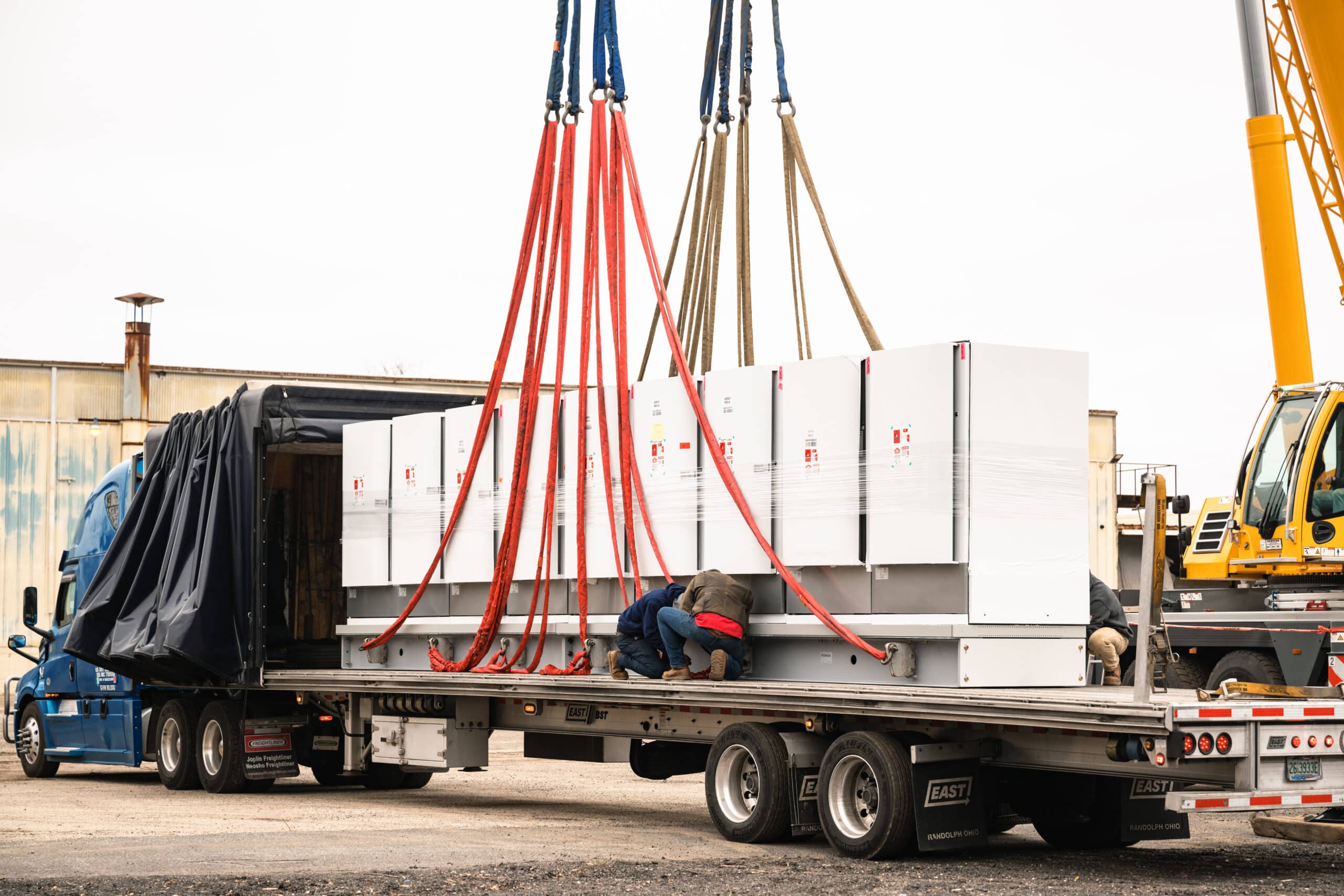
Renewable energy installs don’t happen in tidy, finished spaces. They happen in active construction zones where crews are sequencing trades, space is tight, weather is unpredictable, and the jobsite is constantly changing. That’s exactly why storage becomes a make-or-break part of the schedule.
If you’re building or installing solar PV systems, hydrogen-related equipment, or other renewable infrastructure in and around Vineland, NJ, you already know the pattern: critical components arrive early (or all at once), site access is limited, and you need a plan that protects high-value materials while keeping the project moving.
This guide outlines practical storage solutions for renewable energy installations in construction zones — what to store, how to protect it, how to stage it, and how to maintain accountability without slowing fieldwork.
Why construction zones make renewable energy storage harder than it looks
On paper, “storage” sounds simple: receive materials, hold them, release them when needed. On a construction site, it gets complicated fast:
1. No stable laydown space
Space gets reallocated daily as trades rotate in and out.
2. Weather exposure
Rain, humidity swings, freeze/thaw cycles, wind-blown debris.
3. Damage risk from equipment traffic
Forklifts, telehandlers, cranes, and trucks operating in tight quarters.
4. Security concerns
High-value components can be tempting targets.
5. Schedule pressure
If the right parts aren’t available at the right time, the crew stalls.
That’s why off-site, professionally managed warehousing often becomes part of the project’s risk control — not just a convenience.
What typically needs storage for renewable energy installations
Renewable projects bring a mix of fragile, high-value, and bulky commodities. Storage plans should match the reality of what’s arriving.
Solar PV-related items
- PV/Solar modules (palletized, crated, or boxed)
- Inverters, combiner boxes, and electrical enclosures
- Racking systems, rails, clamps, fasteners
- Wire spools, conduit, grounding components
- Skids of balance-of-system materials (BOS)
Hydrogen fuel cell and hydrogen-adjacent items
- Fuel cell stacks or modules
- Power electronics and controls
- Cylinders, valves, regulators (as applicable)
- Specialized cabling, sensors, and components requiring traceability
General renewable infrastructure materials
- Skidded mechanical assemblies
- Structural steel or fabricated components
- Large-format crates and oversized packages that don’t fit standard rack storage
A good storage partner should be comfortable with industrial commodities, not just small parcel fulfillment.
The “quiet” risks that cause expensive jobsite issues
Damage or loss doesn’t always look dramatic. The problems that hurt renewable projects are often slow-moving and avoidable.
Moisture and humidity exposure
For PV modules, moisture is a known enemy of long-term reliability. Research and industry literature identify moisture ingress as a key durability factor for PV modules — underscoring the importance of packaging and storage conditions.
Practical takeaway: Before installation, modules should be stored in conditions that minimize prolonged exposure to high humidity and water intrusion. Always defer to manufacturer requirements when they specify temperature/humidity limits or storage orientation.
Temperature swings and prolonged outdoor staging
Construction zones often stage materials outdoors “temporarily,” and that temporary period can stretch into weeks. Temperature swings can stress packaging, adhesives, and sensitive electronics. Battery and power electronics manufacturers frequently specify operating and environmental ranges.
Fork damage and stacking problems
PV modules and crated electronics aren’t forgiving. Misaligned forks, uneven surfaces, and over-stacking can lead to microcracks, broken glass, or hidden damage that only becomes apparent during commissioning.
Mix-ups and traceability gaps
If you’ve ever had two similar pallets that went to the wrong site, serialized equipment that can’t be located, or partial kits missing one critical piece — you already know how fast a project can slow down.
A practical storage framework for renewable energy construction projects
If you want storage to reduce risk (not add friction), build your plan around four pillars:
- Protection — control environment, handling, and packaging integrity
- Security — restrict access, document the chain of custody, reduce loss exposure
- Visibility — know what you have, where it is, and what’s released
- Staging discipline — release materials in the sequence the field actually needs
How to store solar PV modules and related equipment responsibly
1. Keep modules in manufacturer packaging until needed
PV module packaging is designed to protect against shock, vibration, and moisture. Disturbing packaging early increases the odds of damage from handling or exposure.
Warehouse best practice: Receiving inspection verifies pallets are intact, banding is secure, corner protection is present, and crates show no punctures or crush indicators.
2. Control humidity and prevent water intrusion
Moisture ingress is a well-documented reliability concern for PV modules and related materials. In practical warehousing terms, that means:
- Keep pallets off bare ground
- Avoid storing in areas with leak risk or uncontrolled condensation
- Maintain packaging integrity (torn wrap and missing caps are not “minor”)
When manufacturers provide storage ranges (temperature/humidity), treat them as non-negotiable — warranty terms often assume those requirements were met.
3. Use the right handling equipment and procedures
Not every forklift approach works for fragile pallets. A storage partner should be comfortable with:
- Proper fork spacing and entry angle
- Stable staging lanes (not crowded “wherever it fits” stacking)
- Documented handling protocols for fragile or high-value goods
4. Stage PV and BOS materials to match your install sequence
Solar installs move faster when materials arrive as complete kits, not random pallets. That can mean:
- Racking kits broken down by array section
- Fasteners/clamps grouped by phase
- Inverters released only when pads, conduit, and electrical prep are ready
This is where 3PL storage becomes more than “holding.” It becomes scheduled protection.
Storage considerations for hydrogen fuel cells and hydrogen-related equipment
Hydrogen-related projects are growing, and storage expectations often attract greater scrutiny — especially regarding safety, separation, and ventilation for certain materials.
Even when you’re storing components (not actively operating a hydrogen system), it’s smart to align storage planning with the broader safety code landscape. Resources on NFPA 2 (Hydrogen Technologies Code) highlight requirements for hazardous-area classification and ventilation expectations in hydrogen storage/use contexts.
Practical takeaway:
- Treat hydrogen-adjacent materials as “special handling” until you confirm exact product classification and manufacturer requirements
- Plan storage layouts that avoid crowding sensitive equipment
- Maintain clear labeling, documentation, and controlled access
- If compressed gases or related items are involved (varies by project), ensure the facility is equipped and managed appropriately for that scope
Facility practices should always follow applicable codes, AHJ requirements, and product-specific handling instructions.
Battery energy storage: why standards matter even in warehousing
Many renewable projects include battery energy storage systems (BESS) or battery-related components. Safety standards such as UL 9540A are designed to evaluate thermal-runaway fire-propagation risks in battery energy storage systems.
From a warehousing standpoint, the point isn’t to turn your warehouse into a lab. It’s to understand that battery-related items can come with strict manufacturer- and code-driven storage expectations. Separation, monitoring, and handling protocols should be deliberate — not improvised.
The jobsite-friendly alternative: off-site warehousing + staged release
Here’s the model that tends to work best in construction zones:
Step 1: Receive everything (or most of it) off-site
Instead of sending the full project volume to a crowded site:
- Receive at a controlled warehouse
- Perform a receiving inspection
- Document condition and quantities
- Record serial numbers where relevant
Step 2: Hold safely, securely, visibly
The warehouse becomes your buffer against weather exposure, theft risk, accidental jobsite damage, and confusion between phases or locations.
Step 3: Stage and release by installation phase
Release plans can follow site readiness milestones, crew scheduling, permitting/inspection gates, and just-in-time delivery windows coordinated with the project team.
Inventory control that construction teams can actually use
Visibility isn’t about fancy dashboards — it’s about answering questions quickly:
- What arrived?
- What’s still in storage?
- What’s been released?
- What’s missing, damaged, or on hold?
- Where are the serial-numbered items?
Simple, consistent practices help a lot:
- Lot-level and pallet-level identification
- Photo documentation at receiving (where appropriate)
- Clear pick/release procedures
- Exception reporting the same day issues are found
This is especially important for renewable components that can be serialized, kitted, or matched to system designs.
Why “industrial storage specialists” matter for renewable projects
Renewable energy materials are often heavy, bulky, sensitive to mishandling, expensive to replace, and schedule-critical. Industrial storage specialists are used to commodities that don’t behave like e-commerce boxes — that experience matters when you’re dealing with oversized crates, skidded assemblies, long-length materials, irregular pallets, and mixed loads that need sorting and controlled release.
Local advantage: Vineland, NJ as a storage hub
If your projects are in and around Vineland, NJ, location is not a minor detail. A warehouse that can support rapid access to major Northeast corridors helps when your project schedule changes, the jobsite isn’t ready when planned, or you need partial releases instead of full volume dumps.
T2G Logistics is headquartered in Vineland, NJ with multiple facilities totaling approximately 100,000 square feet, strategically located for access to New York, Boston, Philadelphia, and Baltimore. That kind of footprint is often the difference between “we can store it” and “we can store it in a way that keeps your project moving.”
A storage checklist for renewable construction
Use this when comparing storage options:
- Receiving discipline — inspections, photos as needed, exception reporting
- Packaging protection — pallets remain intact, wrap/banding not compromised
- Environmental control — humidity and water intrusion managed, follow manufacturer ranges
- Handling procedures — trained operators, correct equipment, stable staging lanes
- Security — controlled access, documented releases
- Inventory visibility — counts you can trust, serial tracking if needed
- Staged release — kits or phase-based pulls aligned with the install schedule
- Renewables familiarity — proven experience with PV modules, fuel cells, and industrial commodities
Ready when the jobsite isn’t
Construction zones are unpredictable. That’s not a criticism — it’s reality. The goal isn’t to pretend things will go perfectly. The goal is to design a storage and release plan that absorbs surprises without breaking the schedule.
If you’re managing renewable energy installations in or around Vineland, NJ and want industrial-grade storage for PV modules, hydrogen fuel cells, infrastructure materials, or other bulky commodities, let’s talk about how the right warehousing partner can reduce damage risk, tighten inventory accountability, and stage materials the way your crews actually install them.