Solar EnergyJust-In-Time DeliverySupply ChainLogisticsInventory Management
When Just-In-Time Isn't Exactly On Time: Overcoming Delivery Challenges in Solar Projects
When just-in-time isn't exactly on time: how a solar company overcame JIT delivery failures with centralized storage and buffer inventory.
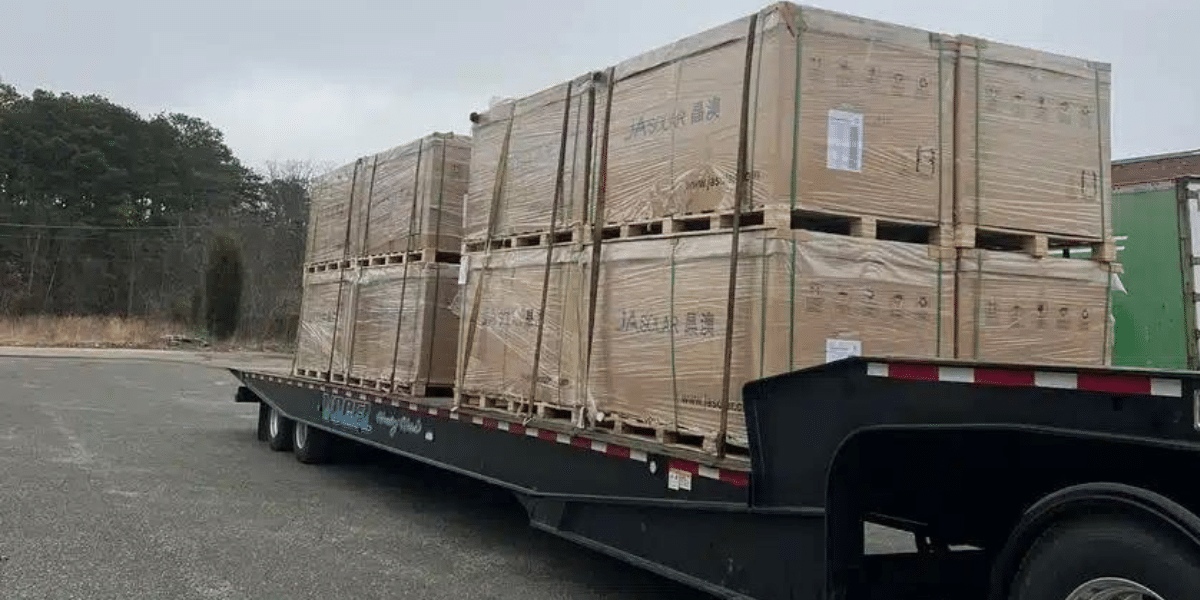
In the fast-paced world of solar energy projects, timing is everything. Delays in the delivery of essential components can disrupt schedules and increase costs. Recently, we encountered a unique challenge with one of our solar customers who found that relying on supplier delivery companies led to significant delays.
Understanding just-in-time delivery
What is JIT?
Just-in-time (JIT) delivery is a production and inventory management strategy that aims to increase efficiency and decrease waste by receiving goods only as they are needed. This method reduces the costs of holding inventories and minimizes storage space requirements. Initially developed by Toyota in the 1970s, JIT has become popular across industries, including solar energy.
Common challenges with JIT
JIT depends on reliable suppliers and transportation networks. Any disruption can lead to significant delays:
- Supplier reliability — inconsistent or delayed deliveries
- Transportation delays — traffic, weather, logistical issues
- Inventory shortages — JIT minimizes inventory, so any delay halts production
Case study: solar project delivery challenges
The situation
One of our solar customers faced a significant challenge regarding the timely delivery of essential components. They needed concrete blocks to weigh down solar panels and the racking systems on which the panels sit. These components are critical for stability and functionality.
The problem
Supplier delivery companies were unreliable, causing frequent delays. These delays led to extended project timelines, increased labor costs, and frustrated clients. The customer realized that relying solely on JIT delivery wasn’t feasible.
Impact on timelines and costs
- Extended project timelines — affected the customer’s ability to meet deadlines
- Increased labor costs — workers waiting for materials
- Client dissatisfaction — frustrated clients, potential damage to reputation
The innovative solutions
Centralized storage
One key solution was to ship components to a centralized storage facility. This let the customer manage inventory more effectively and ensure materials were available when needed without relying on last-minute deliveries.
Benefits:
- Reliability — secure storage with a partner like us
- Reduced supplier dependency — buffer against delays
- Improved scheduling — materials available, projects predictable
Pre-planning and inventory management
Adequate pre-planning played a crucial role:
- Forecasting needs — accurately forecast materials for upcoming projects
- Scheduling deliveries — buffer time accounts for potential delays
Effective inventory management strategies:
- Buffer inventory — critical components that mitigate delivery delays
- Regular audits — accurate, current stock levels
- Collaborative planning — work closely with suppliers to align deliveries
Efficient yet inefficient — a new approach
Balancing efficiency and reliability
While maintaining buffer inventory and centralized storage may seem inefficient, this approach improved overall project efficiency. By reducing dependency on JIT deliveries, the customer avoided disruptions caused by unreliable suppliers.
Improved efficiency
- Project continuity — predictable timelines
- Cost savings — outweighed the costs of buffer inventory
- Client satisfaction — happier clients, improved reputation
Improved reliability
- Consistent availability — essential components always on hand
- Reduced stockout risk — buffer inventory prevents running out
- Predictable project flow — better planning and resource allocation
Conclusion
In the solar energy industry, timing is crucial. Relying solely on JIT delivery systems is risky when supplier reliability is an issue. Our solar customer found an innovative solution using centralized storage and adequate pre-planning.
When just-in-time isn’t precisely on time, exploring alternative approaches is essential. Centralized storage and maintaining a buffer inventory may seem inefficient, but these strategies can significantly improve project efficiency and reliability.