Solar Equipment StorageRenewable EnergyClimate ControlIndustrial StorageLogistics
Best Practices For Storing Solar Equipment And Renewable Energy Products
Best practices for storing solar equipment and renewable energy products: climate control, careful handling, safety compliance, and inventory tracking.
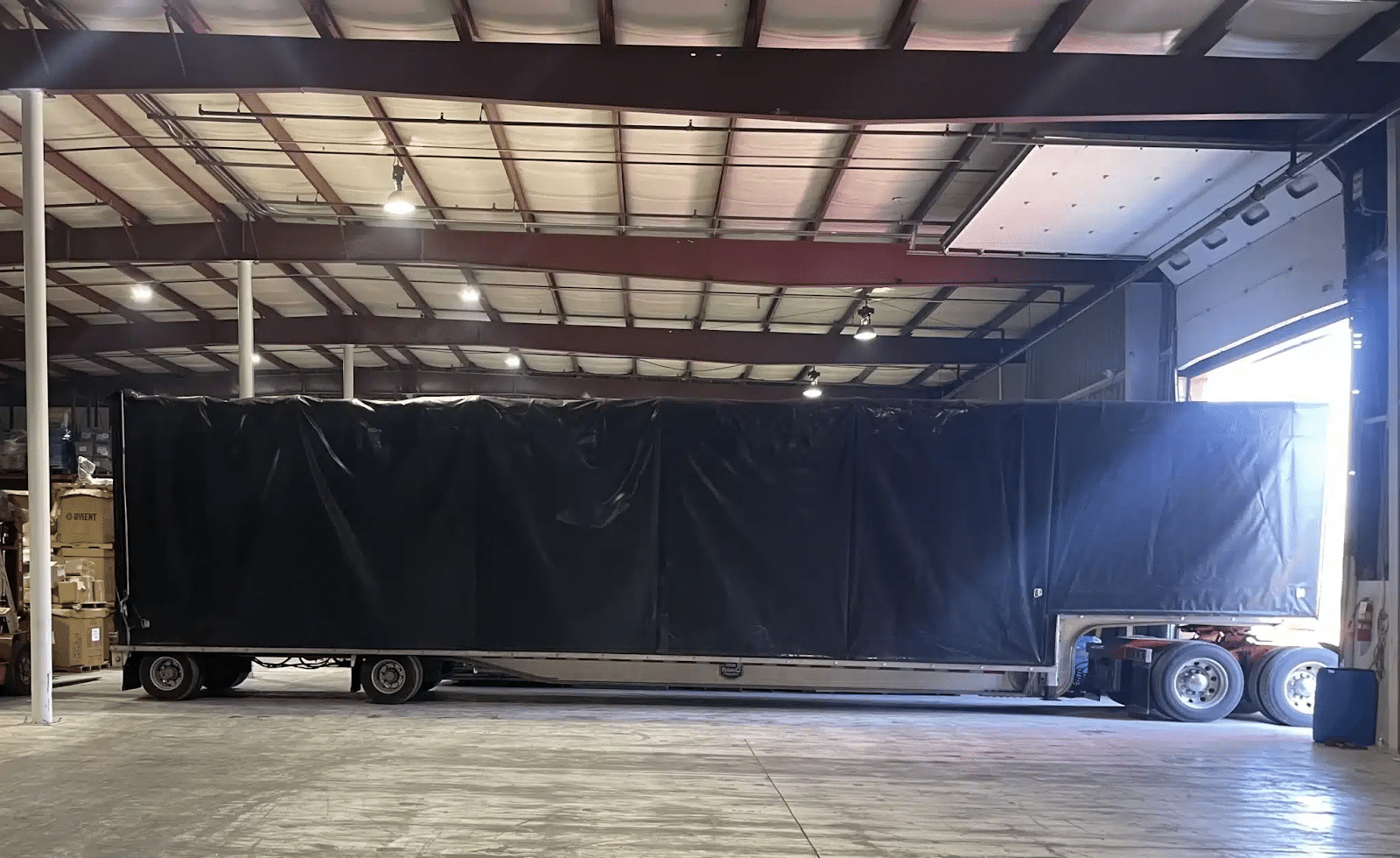
As renewable energy continues to grow, the demand for effective storage solutions for solar equipment and renewable energy products has increased. From photovoltaic (PV) solar modules to hydrogen fuel cells, these products require specialized care to preserve their quality and functionality. Proper storage ensures that these investments remain optimal, preventing costly repairs or replacements and safeguarding their performance. For businesses in Vineland, NJ, T2G Logistics provides expert industrial storage solutions that cater to the unique needs of renewable energy equipment.
1. Climate Control and Temperature Management
Climate control is one of the most critical factors in storing solar equipment and renewable energy products. Components like PV solar modules and hydrogen fuel cells are sensitive to extreme temperatures, which can cause degradation over time.
Stable temperature
Aim to store solar equipment in a facility where temperature fluctuations are minimal. Avoiding temperature extremes helps prevent warping, cracking, or other forms of deterioration.
Humidity control
Moisture can cause corrosion and other damage to sensitive equipment. Renewable energy products should be stored in a controlled environment with low humidity.
T2G Logistics’ facilities in Vineland, NJ offer climate-controlled storage options to ensure that stored products retain their quality over the long term.
2. Efficient Handling and Protection of Solar Panels
Solar panels are delicate and can be easily damaged if not handled properly. Handling practices and protective measures are crucial in any storage environment.
Stacking and arrangement
Panels should not be stacked directly on top of one another. Instead, they should be spaced and organized on pallets to reduce weight and minimize pressure that could lead to breakage.
Padding and protective covers
Use appropriate padding and protective covers to prevent scratches, chips, and other surface damage during storage and handling. Covers also help shield panels from dust, which can impact efficiency if allowed to accumulate.
At T2G Logistics, our trained staff follow stringent handling procedures for renewable energy products, including solar panels. This reduces the risk of damage while ensuring organized and accessible storage.
3. Inventory Management and Regular Maintenance Checks
Renewable energy products like batteries, panels, and inverters require regular inspections to ensure they remain in optimal condition. For industrial storage facilities, efficient inventory management and periodic checks are essential.
Barcode and RFID tracking
Using barcode or RFID tracking systems helps monitor each item’s condition and location, allowing for easy tracking and retrieval.
Scheduled maintenance checks
Regular inspections for signs of wear or damage can prevent minor issues from becoming major problems. T2G Logistics provides thorough inventory management, ensuring that clients’ renewable energy products remain accounted for and in excellent condition.
4. Safety Standards For Hazardous Components
Some renewable energy products, such as batteries and hydrogen fuel cells, may contain hazardous materials that require special handling and storage procedures.
Compliance with safety standards
Be sure your storage provider complies with all local, state, and federal regulations regarding hazardous materials. This includes maintaining appropriate signage, safety protocols, and staff training.
Proper ventilation
Products such as hydrogen fuel cells may require proper ventilation to prevent the accumulation of potentially hazardous gases.
T2G Logistics is well-versed in these safety standards, providing compliant and secure storage solutions for hydrogen fuel cells and other sensitive products.
5. Accessibility For Efficient Logistics
Renewable energy projects often require equipment to be available quickly and efficiently. A storage facility’s location and accessibility can significantly reduce lead times and improve project efficiency.
T2G Logistics’ facilities in Vineland are ideally located to serve clients in nearby cities including New York, Philadelphia, Boston, and Baltimore — and partnering with a storage provider that offers streamlined outbound logistics reduces the hassle of managing separate warehousing and distribution.
6. Insurance and Risk Mitigation
Due to the high value of solar equipment and renewable energy products, insurance coverage and risk mitigation measures are critical.
- Comprehensive insurance — coverage that protects against theft, natural disasters, and accidents.
- Risk mitigation strategies — surveillance, secure access protocols, and fire suppression systems.
FAQs on Storing Solar Equipment
Can renewable energy products be stored long-term?
Yes — with proper climate control, handling, and regular maintenance checks, renewable energy products can be stored long-term without compromising their quality.
What security measures should I look for?
24/7 surveillance, secure access protocols, and fire suppression systems.
How can I ensure my equipment remains accessible during storage?
Choose a provider with efficient inventory management and tracking systems.
Does T2G offer logistics beyond storage?
Yes — comprehensive logistics solutions including inventory management and outbound logistics for seamless equipment handling.