
Container LoadingLogistics EfficiencyWarehouse OperationsSupply ChainCost Reduction
Efficient Techniques For Loading A Container In Under 2 Hours
Efficient techniques for loading a container in under 2 hours: planning, equipment, and loading strategies that help you avoid costly detention charges.
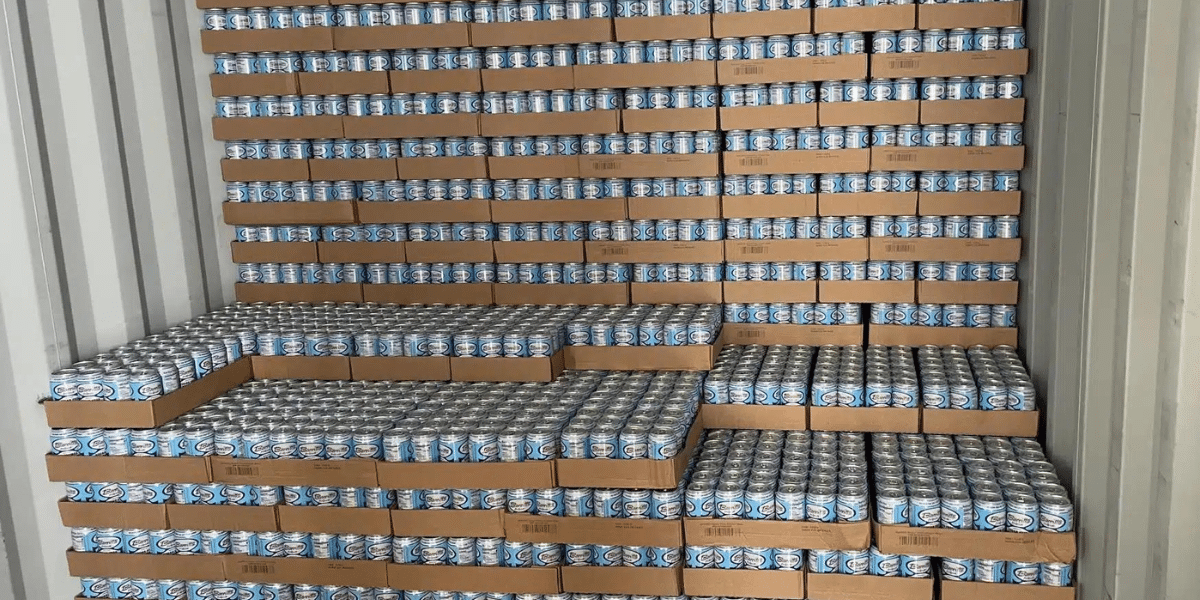
Loading a container quickly and efficiently is crucial for businesses that want to streamline logistics operations and save on labor costs. We’ve developed a set of best practices that can help you load a container in under two hours.
Why loading in under 2 hours is crucial
In the trucking industry, allowing up to 2 hours for loading or unloading is customary as part of the standard rate. Exceeding this time limit often incurs “detention” charges, which can be as high as $150 per hour. Trucking companies charge these fees for keeping their vehicles waiting, which can quickly add up.
Efficiently loading a container in under two hours helps you avoid these unnecessary expenses and keeps your supply chain timely.
1. Plan ahead
Assess your cargo
Assess size, shape, and weight before loading. Group similar-sized items together and create a loading plan that maximizes space and stability.
Prepare your materials
Have all the necessary materials ready — pallets, straps, packing materials, tools. Saves time and reduces delays.
2. Optimize the loading area
Clear the workspace
A clutter-free loading area is essential. Clear out unnecessary items and ensure enough space for workers to move comfortably.
Arrange cargo strategically
Place cargo in the order it will be loaded. Use color-coded labels or markers to indicate loading order.
3. Use the right equipment
Forklifts and pallet jacks
Forklifts and pallet jacks significantly speed up loading. Ensure your team is trained to operate them safely.
Loading ramps and platforms
High-quality ramps and platforms make moving heavy items into the container easier.
4. Load efficiently
Heaviest items first
Load heaviest items at the bottom — creates a stable base and distributes weight evenly. Prevents lighter items from being crushed.
Fill gaps and maximize space
Use smaller items to fill gaps between larger ones. Padding or dunnage protects delicate items and keeps everything secure.
Use straps and securing tools
Once loaded, straps and securing tools hold cargo in place — prevents shifting in transit.
5. Maintain safety protocols
Wear proper gear
Gloves, safety shoes, and helmets prevent injuries.
Follow weight limits
Always adhere to the container’s weight limits. Track total weight as you load.
6. Train your team
Regular training keeps your team current on loading techniques and safety. Encourage open communication so issues are addressed quickly.
FAQs
How can I improve loading speed without compromising safety?
Meticulous planning, proper equipment, and continuous training. Ensure your team is well-trained, your loading area is optimized, and safety protocols are followed strictly.
What about fragile items?
Use appropriate padding and dunnage. Place fragile items in secure spots within the container where they won’t shift or be crushed. Label them clearly.
How do I handle irregularly shaped items?
Place strategically to maximize space and ensure stability. Use custom supports and padding. For extremely awkward shapes, consider building custom crates.
What if I don’t have enough manpower?
Consider automation tools — conveyor belts, automatic palletizers, robotic loaders. Outsourcing to a 3PL like T2G is also a cost-effective option.
How do I manage time effectively during loading?
Develop a detailed loading plan and schedule. Assign specific tasks. Use checklists. Regular debriefs help identify areas for improvement.
Can technology help speed up loading?
Yes — warehouse management systems (WMS), automated scheduling tools, and load optimization software all help.
What should I consider when selecting equipment?
Cargo type and weight, container dimensions, your operation’s specific needs. Regular maintenance and proper training are crucial.
Achieve efficiency with T2G
With proper planning, the right equipment, and a well-trained team, you can load a container in under two hours. We’re committed to helping businesses improve their logistics operations.