Industrial StorageBulky CommoditiesInfrastructureWarehouse ManagementLogistics Planning
Key Considerations for Storing Bulky Commodities and Infrastructure Projects
Key considerations for storing bulky commodities and infrastructure materials: layout planning, safe handling, climate control, and security.
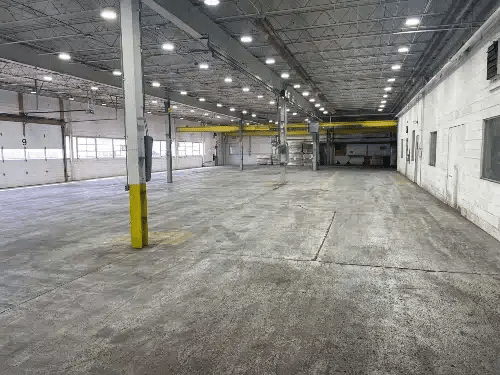
Storing bulky commodities and infrastructure materials comes with unique challenges. Unlike small consumer goods, items like solar panels, hydrogen fuel cells, construction materials, and industrial equipment require specialized handling, ample space, and strategic logistics planning.
Understanding the storage needs
Unlike standard warehouse storage, bulky commodities require customized solutions that account for:
- Size and weight constraints — large and heavy items need reinforced flooring, high ceilings, and heavy-duty racking
- Stacking and access requirements — some materials can be stacked to save space, others must remain separated
- Climate sensitivity — solar panels, batteries, and construction adhesives need temperature-controlled environments
- Security concerns — high-value materials require enhanced security
1. Space efficiency and layout planning
Warehouse space must be used efficiently. An optimized layout allows easy access and improves inventory management.
Key considerations
- Ceiling height and floor load capacity — ensure the warehouse can handle weight and height
- Aisle width — sufficient space for forklifts, cranes, or other lifting equipment
- Stacking strategies — palletized goods may stack; delicate materials may need dedicated shelving
Our facilities offer 100,000 sq ft of dedicated storage space, allowing businesses to store bulky items without space constraints.
2. Proper handling and safety
Bulky items pose safety risks if not handled properly. Best practices:
- Appropriate lifting equipment — forklifts, cranes, hoists prevent injuries and damage
- Properly trained staff — workers trained in safe lifting and handling
- Regular safety inspections — periodic checks identify potential hazards
3. Climate and environmental considerations
Certain materials are climate-sensitive:
- Solar panels and batteries — heat can degrade cells; cold affects performance
- Construction materials — adhesives, cement, metal components may react poorly to humidity
- Hydrogen fuel cells — careful storage due to chemical properties
4. Security measures for high-value storage
- 24/7 surveillance and monitoring — security cameras deter theft
- Restricted access — only authorized personnel handle high-value materials
- Inventory tracking systems — real-time tracking ensures accountability
5. Logistics and transportation coordination
- Loading and unloading efficiency — delays increase costs
- Proximity to major transport routes — warehouses near highways, ports, and rail
- Specialized transport equipment — flatbeds, cranes, heavy-duty containers
Our prime location in Vineland, NJ provides quick access to NYC, Boston, Philadelphia, and Baltimore.
6. Cost considerations
Factors affecting cost
- Storage space required — more space = higher cost; optimization helps reduce
- Duration of storage — long-term contracts often cheaper per-month
- Additional services — inventory management, repackaging, climate control
Why choose T2G for bulky commodity storage?
- 100,000 sq ft of industrial storage
- Strategic location for fast distribution
- Specialized handling for solar panels, hydrogen fuel cells, large commodities
- Climate-controlled options for sensitive materials
- Advanced security
- Comprehensive logistics support