Cross-DockingLogisticsSupply ChainWarehousing3PL Services
The Benefits Of Cross-Docking In Logistics
The benefits of cross-docking in logistics: moving goods from inbound to outbound transport to cut storage costs and improve supply chain efficiency.
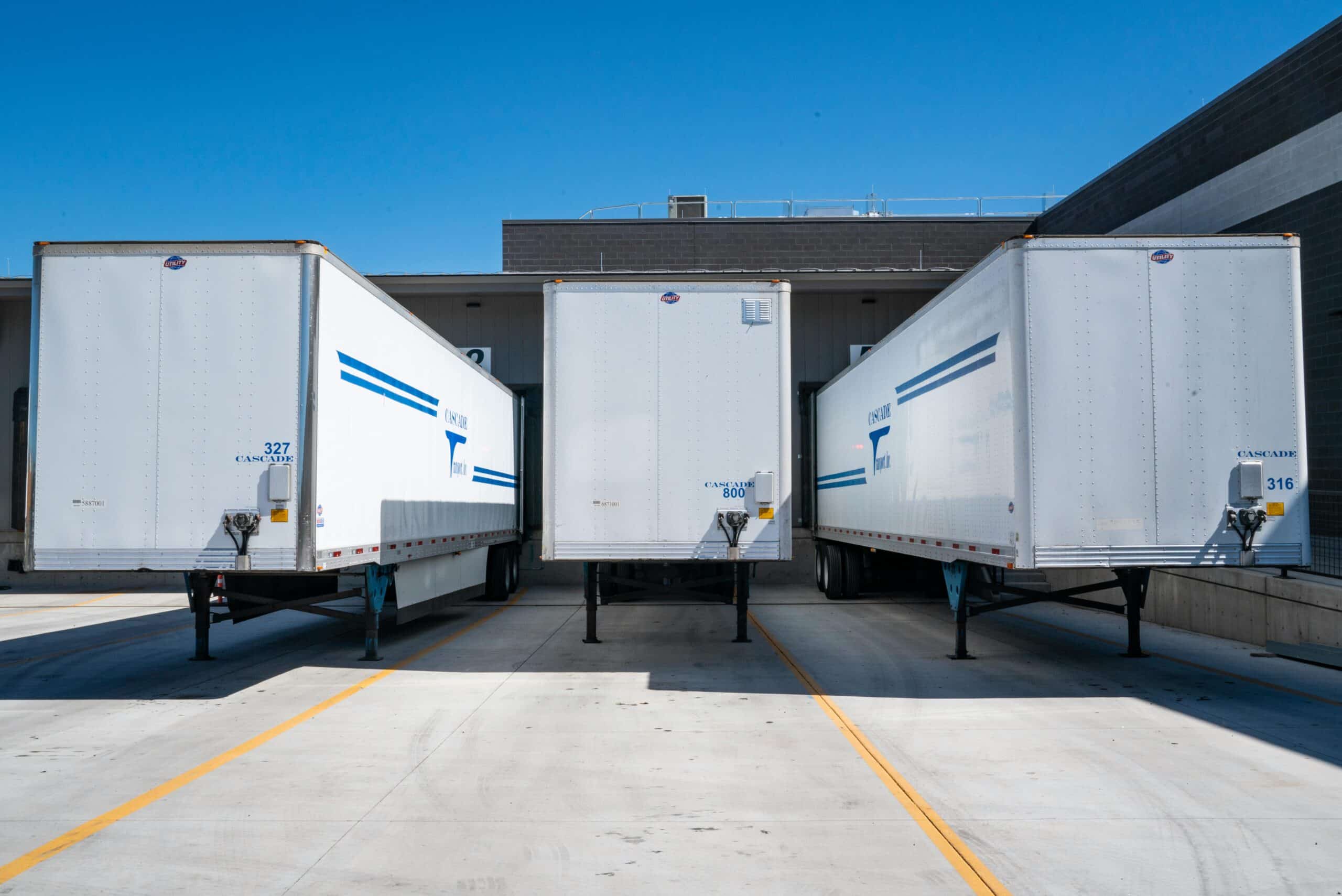
In the fast-paced world of logistics, efficient storage and distribution are critical for businesses looking to stay ahead. One logistics strategy that has gained significant traction is cross-docking — eliminating the need for prolonged warehousing by transferring goods directly from inbound to outbound transportation with minimal or no storage.
What is cross-docking?
Cross-docking involves unloading goods from inbound vehicles and loading them directly onto outbound ones with minimal handling or storage time. Ideal for industries that require fast, efficient movement of goods — retail, manufacturing, and renewable energy.
The cross-docking process
1. Receiving and sorting
Goods arrive at a distribution center. Inspected and sorted based on final destinations or delivery timelines.
2. Staging
Once sorted, goods are temporarily placed in designated areas, organized by outbound transportation routes.
3. Loading and dispatching
Sorted goods are loaded onto outbound trucks, trailers, or containers and dispatched.
4. Tracking and communication
Modern tracking systems ensure real-time visibility throughout the process.
Benefits of cross-docking
1. Reduced storage costs
Cross-docking minimizes long-term warehousing — reducing rent, utilities, and labor.
2. Improved supply chain efficiency
Faster movement helps businesses maintain leaner inventories and respond quickly to market demands. Beneficial for seasonal or time-sensitive products.
3. Lower transportation costs
Consolidating shipments reduces transportation expenses. Grouping smaller shipments into larger loads destined for the same location saves on fuel, labor, and vehicle wear.
4. Enhanced product flow
For perishable goods like food or pharmaceuticals, cross-docking ensures a steady flow from supplier to retailer, minimizing spoilage.
5. Sustainability
Cross-docking reduces carbon footprint by optimizing routes, consolidating shipments, and minimizing energy-intensive storage.
6. Improved customer satisfaction
Faster delivery times and fewer handling errors enhance customer satisfaction. Tight deadlines met, goods arrive in better condition.
Cross-docking at T2G
Located in Vineland, NJ, we’re strategically positioned to offer cross-docking services with unparalleled efficiency. With 100,000 sq ft of warehousing across three facilities, we cater to a wide range of industries — including renewable energy and infrastructure projects.
Our team specializes in handling bulky and oversized commodities, ensuring goods are managed with care and precision.
Industries that benefit from cross-docking
- Retail — timely delivery to stores, avoiding stockouts
- Manufacturing — reduces storage need, speeds production cycles
- Renewable energy — efficient movement of large-scale components
- E-commerce — meets demand for rapid delivery times
Considerations when implementing
- Reliable technology — real-time tracking and inventory software is critical
- Proximity to markets — strategically located facilities
- Experienced staff — skilled professionals reduce errors
Scientific backing
Studies highlight the value of cross-docking in reducing lead times and operating costs. Research published on ResearchGate notes “cross-docking is a logistic strategy which can increase rates of consolidation” and reduce expenses while improving delivery timelines — organizations implementing this approach saw a 20–30% reduction in overall logistics costs.
Why choose T2G for cross-docking?
- Strategic location — major East Coast cities
- Industry expertise — decades of complex logistics experience
- State-of-the-art facilities — advanced technology, ample space
- Custom solutions — tailored to your specific needs
Streamline your supply chain
Cross-docking is a powerful strategy for businesses looking to optimize logistics, cut costs, and enhance customer satisfaction. With its ability to streamline supply chains, reduce storage needs, and lower transportation expenses, it’s an indispensable tool for modern operations.