Industrial WarehousingLogistics PartnersSupply ChainStorage SolutionsThird-Party Logistics
What to Look for in a Warehouse Partner for Industrial Projects
Essential qualities of an ideal industrial warehouse partner — specialization, proximity, compliance, and support services for managing complex projects.
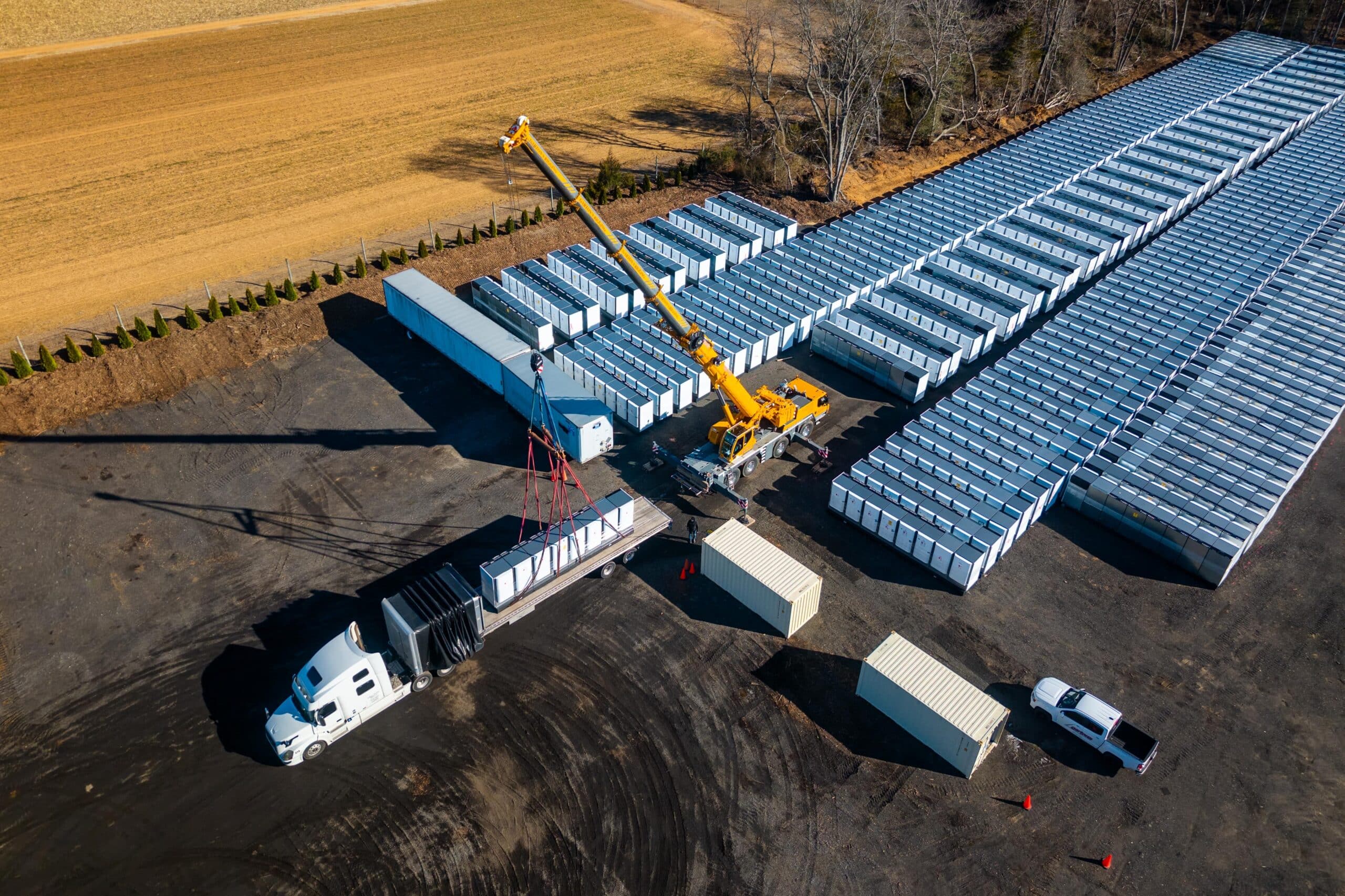
If your business deals with large, heavy, or high-value items — renewable energy products, construction materials, or infrastructure components — you already know: not every warehouse is built the same. When you’re managing industrial projects, especially in regions like Vineland, NJ, where proximity to major hubs like New York and Philadelphia matters, the right warehousing partner can make or break your logistics strategy.
Why choosing the right warehouse partner matters
Warehousing is more than a space to store goods — it’s a core component of your supply chain. A good warehouse partner:
- Keeps your inventory secure and accessible
- Prevents delays and damage
- Aligns with your project timelines
- Offers logistical support that scales with your needs
For industrial projects with oversized, irregularly shaped, or high-value inventory, a general-purpose warehouse may not cut it.
Key factors to look for
1. Specialization in industrial or bulky storage
Industrial materials require a different setup than consumer goods. Ask:
- Do they store items like solar panels, hydrogen fuel cells, or infrastructure components?
- Are their loading docks and bays suited for forklifts, cranes, or heavy equipment?
- Do they have experience handling unusual shapes, weights, or sizes?
We’ve stored everything from renewable energy units to large-scale infrastructure parts. Our warehouses are optimized for bulky commodities, not just pallets of goods.
2. Proximity to your key markets
A warehouse based in Vineland, NJ offers central access to:
- Philadelphia (under 1 hour)
- New York City (under 2 hours)
- Baltimore and Boston (within a day’s drive)
Being close to ports and railways also matters if you’re importing/exporting industrial materials.
3. Asset-based vs. brokered services
An asset-based warehouse like us owns and operates its facilities — giving you more control over inventory, consistency in service, and peace of mind. Brokered 3PLs outsource warehousing, leading to inconsistent handling, surprise costs, and lack of accountability.
4. Flexible storage options
Industrial projects don’t always follow predictable timelines. Look for:
- Short- and long-term contracts
- Temporary overflow storage
- Container unloading/loading
- Seasonal or project-based rates
Physical infrastructure to evaluate
1. Ceiling height & door clearance
Many industrial items are tall or loaded vertically:
- High clearances (20+ feet preferred)
- Wide bay doors
- Drive-in or dock-level options
2. Heavy-duty flooring & racking
- Reinforced flooring (rated for thousands of lbs)
- Racking systems supporting large weights
- Open floor plans for oversized goods
3. Security measures
- 24/7 monitored surveillance
- Controlled access and alarms
- Fencing and on-site staff
Operational capabilities
1. Receiving & inspection protocols
- Inspect goods upon arrival
- Document condition
- Notify you of discrepancies
2. Material handling expertise
Can the staff safely operate forklifts, pallet jacks, or cranes? Are they experienced in fragile, hazardous, or oversized handling?
3. Cross-docking and transloading options
Projects often require transferring items between trucks, containers, or storage units. Cross-docking speeds deliveries and saves on storage costs.
Compliance and certifications
- OSHA compliance
- Environmental certifications (especially for green projects)
- Insurance coverage (liability, cargo)
Support services that add value
1. Inventory management systems
- Real-time inventory tracking
- Remote access
- Automated restocking alerts
2. Project-based customer service
Industrial projects need communication and adaptability. Is there a dedicated account manager? We assign a real person to your project, not a help desk ticket.
3. Outdoor & overflow storage
Some industrial items don’t require indoor climate control. Outdoor storage reduces costs, provides staging areas for loading, and adds flexibility.
Red flags
- Vague or unclear pricing
- No photos or walk-through availability
- Lack of experience in industrial categories
- Limited communication or responsiveness
- No flexibility in contract terms
Why industrial clients choose T2G
- Three facilities totaling ~100,000 sq ft of flexible, industrial-optimized storage
- Asset-based operations for consistent service
- Proximity to NYC, Philadelphia, and Baltimore
- Experience handling solar panels, fuel cells, bulky commodities
- Customizable timelines, cross-docking, and outdoor yard options
Whether you’re staging for a construction site or storing high-value renewable components, we provide the space, support, and structure your project demands.